
Looking for the best website design and development in Singapore?
A high-performing website is no longer just about visuals — it must combine professional website design, robust web development, SEO optimisation, and conversion-driven UX to stay competitive.
This guide features the best website design and development companies in Singapore, carefully reviewed based on experience, portfolio quality, SEO performance, technical expertise, pricing transparency, and long-term support.
See More: Best Website Builders Compared: Which One Fits Your Business?
What a Professional Website Design and Development Company Can Do for Your Business

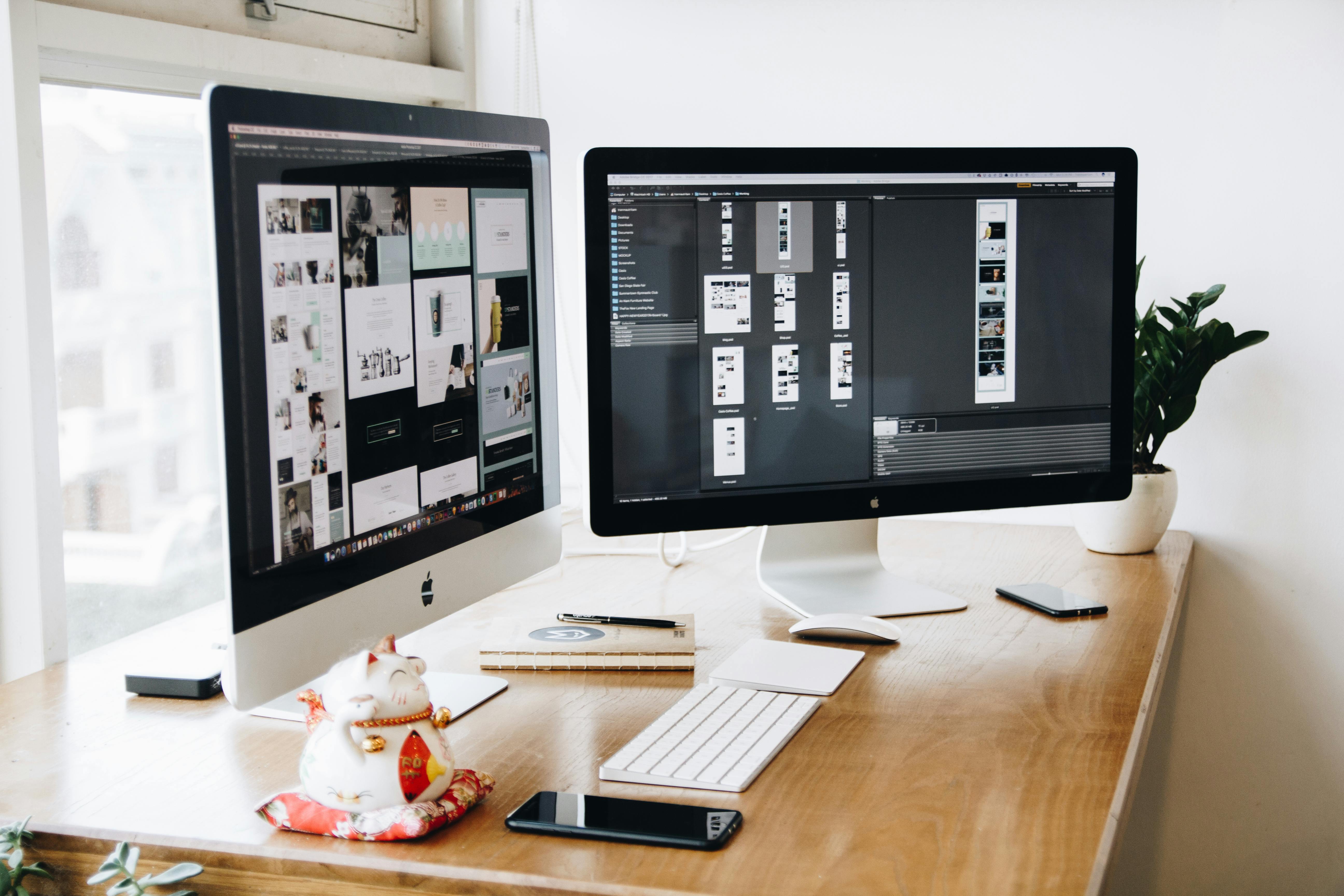
Hiring a professional website design and development company goes far beyond creating a visually attractive homepage. In today’s highly competitive digital environment, your website is often the first touchpoint between your brand and potential customers. It shapes first impressions, builds trust, and plays a critical role in converting visitors into leads or sales.
A reputable agency ensures your website is not only aesthetically polished, but also strategically built for performance, security, scalability, and long-term growth. Here’s what a professional web design and development company truly delivers:
1. SEO-Optimised Website Architecture for Sustainable Google Rankings
A high-performing website starts with a solid technical foundation. Professional agencies design your website architecture with search engine optimisation (SEO) in mind from day one, rather than treating SEO as an afterthought.
This includes:
- Logical site structure and clean URL hierarchy
- Optimised internal linking for better crawlability
- Proper use of title tags, meta descriptions, header tags, and image alt text
- Fast-loading pages through clean, efficient code
- Implementation of structured data (schema markup) to enhance search visibility
By aligning technical development with SEO best practices, your website is easier for search engines to understand and rank—resulting in higher Google positions, increased organic traffic, and better-quality leads.
2. Fully Responsive, Mobile-First Design Across All Devices
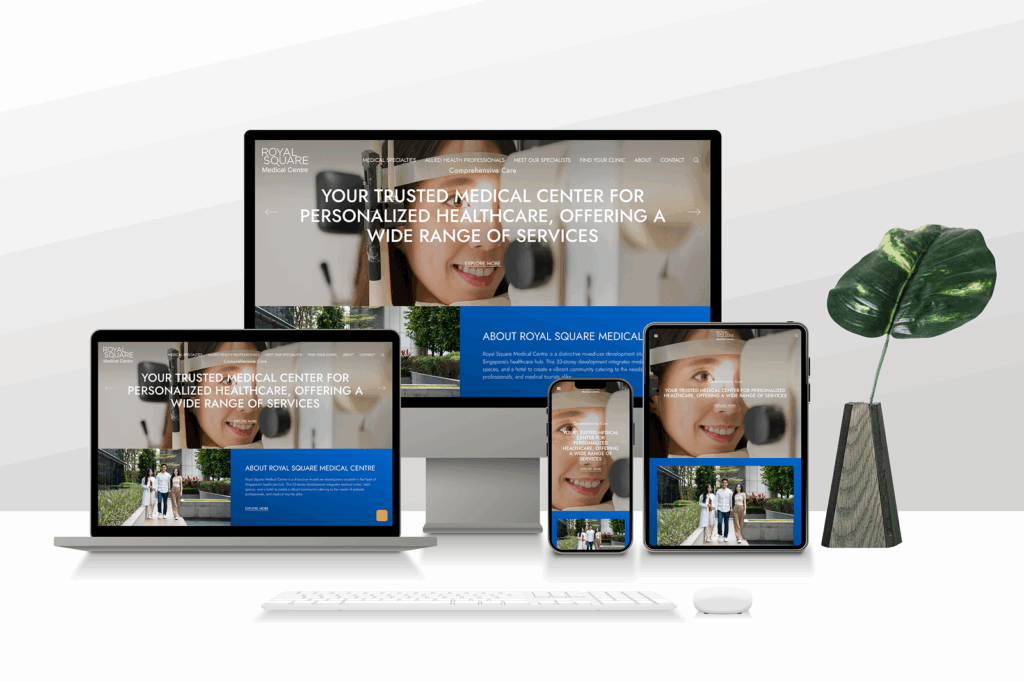
With over 60% of global web traffic now coming from mobile devices, responsive design is no longer optional—it’s essential. A professional web design company adopts a mobile-first approach, ensuring your website delivers a seamless experience on smartphones, tablets, laptops, and desktops.
Agencies rigorously test your site across:
- Multiple screen sizes and resolutions
- Different browsers and operating systems
- Touch and non-touch interfaces
This ensures consistent usability and visual clarity while aligning with Google’s mobile-first indexing, which directly impacts your SEO performance and rankings.
3. User-Centric UX/UI Design That Drives Engagement and Conversions
A visually appealing website is meaningless if users struggle to navigate it. Professional agencies focus heavily on user experience (UX) and user interface (UI) design, ensuring every element serves a purpose.
Key UX-driven elements include:
- Clear navigation structures and logical page flow
- Well-placed, persuasive calls-to-action (CTAs)
- Readable typography and balanced white space
- Fast page load speeds to reduce bounce rates
By guiding visitors naturally toward key actions—such as enquiries, sign-ups, or purchases—your website becomes a conversion-focused business tool, not just a digital brochure.
4. Enterprise-Level Security and Ongoing Website Reliability
Cybersecurity is a critical concern for businesses of all sizes. A professional website design and development company prioritises security at every layer, protecting both your business and your customers.
This typically includes:
- SSL certificates for secure data transmission
- Firewalls and malware protection
- Regular software, plugin, and framework updates
- Automated backups and disaster recovery solutions
- Continuous uptime monitoring
Rather than launching your website and leaving it vulnerable, a reputable agency ensures your site remains secure, stable, and operational 24/7, safeguarding your brand reputation and customer trust.
5. Scalable, Future-Proof Website Solutions
Your website should evolve alongside your business. Professional agencies build websites using scalable frameworks and modular systems, allowing for easy expansion without costly rebuilds.
Future-ready capabilities may include:
- Adding new pages or landing sections effortlessly
- Integrating CRM systems, payment gateways, or marketing tools
- Supporting multi-language or regional content
- Expanding into e-commerce or custom web applications
This approach ensures your website remains adaptable to changing business needs, market trends, and emerging technologies, protecting your investment long-term.
6. Analytics, Tracking, and Data-Driven Optimisation
A professional website doesn’t stop at launch—it continuously improves. Agencies set up advanced analytics and tracking tools to help you understand how users interact with your site.
These insights may include:
- Visitor behaviour and traffic sources
- Conversion funnels and drop-off points
- Campaign performance and ROI tracking
- Heatmaps and engagement metrics
By leveraging platforms such as Google Analytics (GA4) and conversion tracking tools, agencies empower you to make data-driven decisions that enhance performance, user experience, and overall business results.
See More: Custom UI UX Design Solutions for Businesses in 2025
The 10 Best Website Design and Development Companies in Singapore
Here’s our carefully curated list of the top-performing web agencies in Singapore, starting with the industry leader.
1. iCreationsLAB (Top Pick – Since 2008)
About the Company:
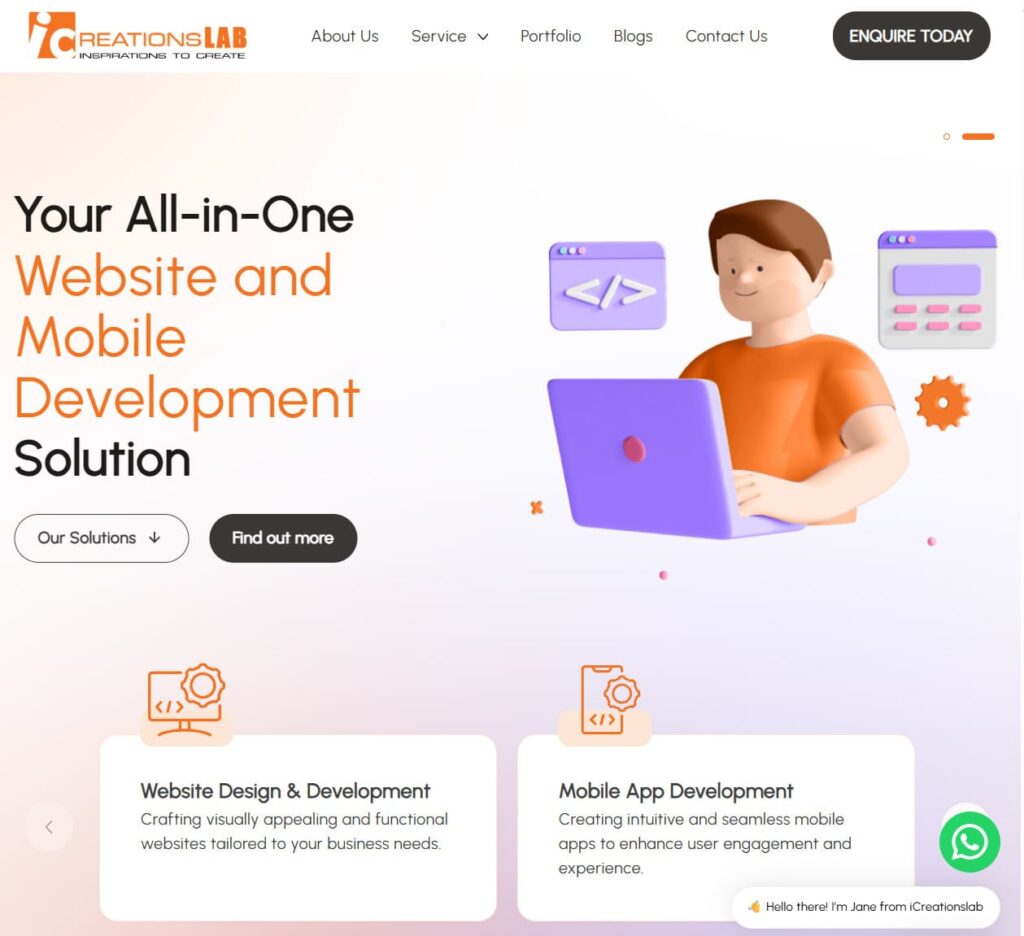
Established in 2008, iCreationsLAB has earned a reputation as one of Singapore’s most reliable and innovative website design companies. With over 17 years of experience, the company specialises in:
- Website Design and Development
- E-Commerce Solutions
- Mobile Web Design
- CMS Development
- Custom Web Applications
- Social Media Marketing
- Email & SMS Marketing
- Online Marketing Strategies
Why They Stand Out:
iCreationsLAB’s strength lies in blending creative design with marketing expertise. Their websites are not just visually appealing; they are built to rank well on search engines and drive conversions.
They have successfully partnered with SMEs, enterprises, and startups in Singapore, helping them scale their online presence with cost-effective yet professional solutions.
Unique Selling Points (USPs):
- 17+ years of experience in Singapore’s digital landscape
- Full-stack services: from design to marketing campaigns
- Proven track record of delivering SEO-friendly, high-performing websites
- Personalised consultation and ongoing support
If you are looking for a long-term partner that understands both design and digital marketing, iCreationsLAB should be your first choice.
2. OOm Pte Ltd (Established 2006)
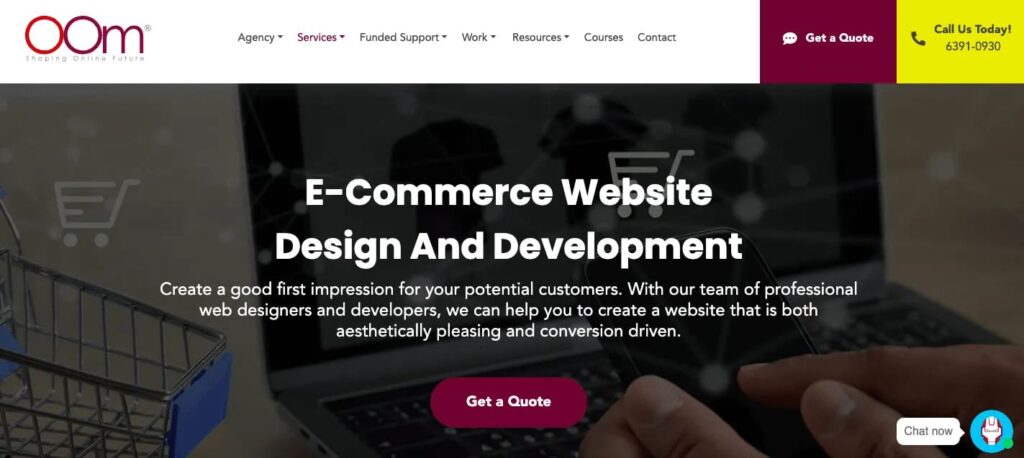
OOm is one of Singapore’s most recognised digital marketing and web development agencies. With nearly two decades of experience, they are known for their structured 6-step web design process that prioritises SEO, responsive layouts, and customised solutions.
Key Services:
- SEO & SEM campaigns
- Social Media Marketing and management
- Web Design & Development
- Content Marketing strategies
- Graphic Design & Video Production
Why Choose OOm:
OOm has won multiple prestigious awards, including Local Hero of the Year 2023 at the Marketing Interactive Awards. Their reputation comes from delivering measurable results and maintaining clear communication with clients. For businesses looking for a balance between creative design and strong digital marketing, OOm is a reliable partner.
3. eFusion Technology (Founded 2004)
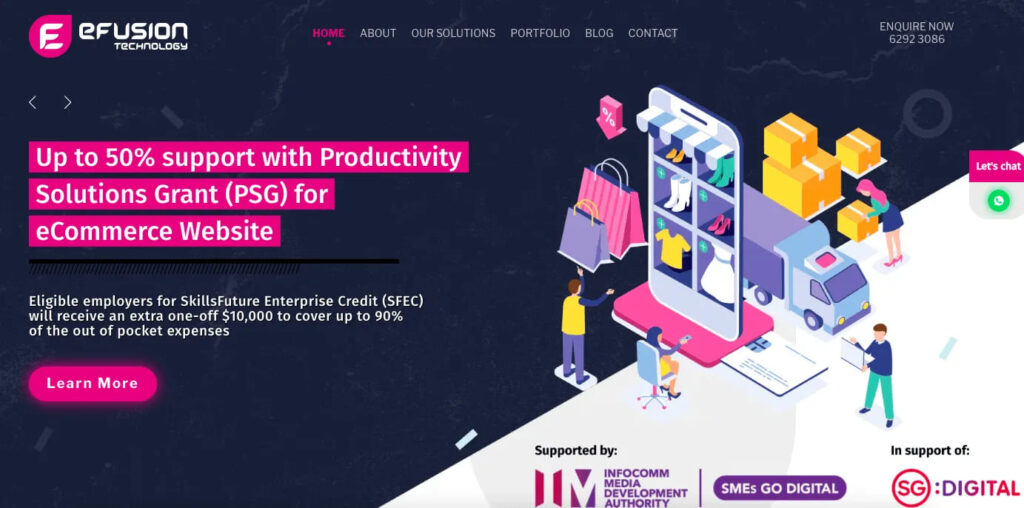
eFusion Technology has established itself as a trusted name for SMEs in Singapore, especially those looking for affordable yet high-quality web solutions. They are also a pre-approved vendor for Productivity Solutions Grant (PSG) E-commerce packages, making them a go-to option for businesses wanting government-supported digitalisation.
Strengths:
- Focus on UX-first design principles
- Extensive experience with E-commerce PSG solutions
- Affordable packages tailored to small and medium-sized enterprises
Why Choose eFusion:
Known for their client-centric approach, eFusion listens carefully to business needs and translates them into scalable, practical digital solutions. Their mix of affordability and quality makes them especially attractive for SMEs and startups.
4. Corsiva Lab
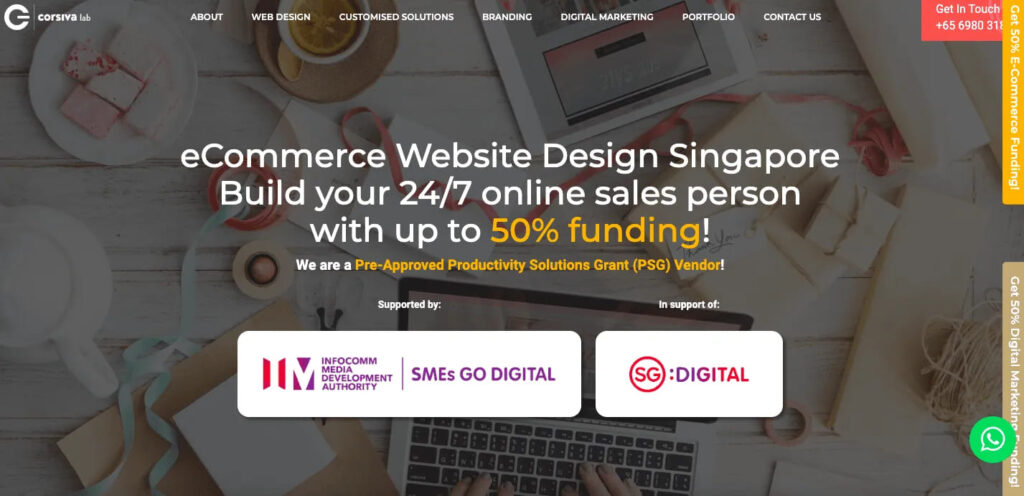
Corsiva Lab is a creative digital agency that works with both SMEs and multinational corporations. They combine creative design with business goals, ensuring every website is a tool for growth rather than just a digital brochure.
Highlights:
- Dedicated account managers for smooth communication and execution
- Expertise in SEO, SEM, and persuasive copywriting
- Impressive client list including CapitaLand and Republic Polytechnic
Why Choose Corsiva Lab:
Corsiva is ideal for businesses that want personalised attention and consistent communication. Their dedicated project managers ensure projects stay on track, while their digital marketing expertise ensures long-term performance.
5. Novage Communications
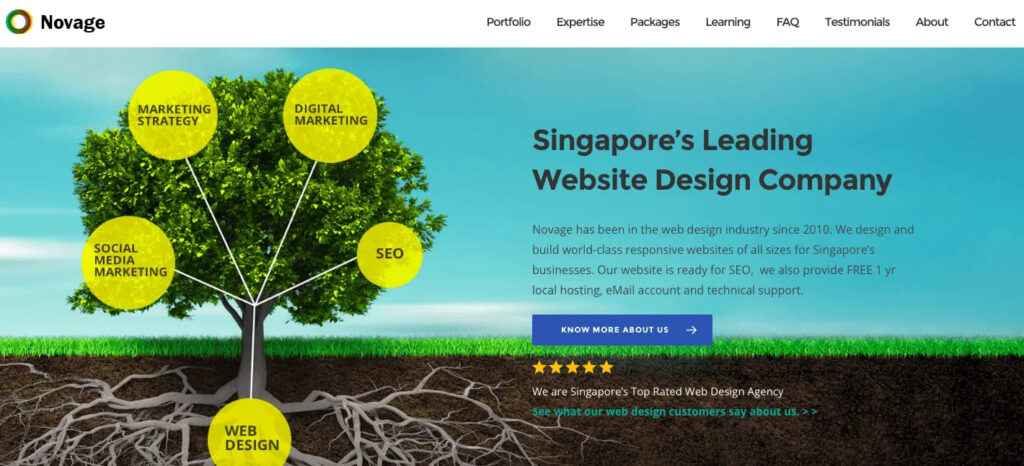
Novage specialises in B2B and B2C website design, blending creativity with proven digital marketing strategies. They aim to help businesses not only build a professional online presence but also generate leads and conversions.
What They Offer:
- Web Design & Ongoing Maintenance
- Hosting Solutions for stability and speed
- Comprehensive Digital Marketing services
Why Choose Novage:
Their holistic approach ensures every module—design, hosting, and marketing—works together to drive results. For companies looking for all-in-one digital growth strategies, Novage is a strong choice.
6. Ripplewerkz
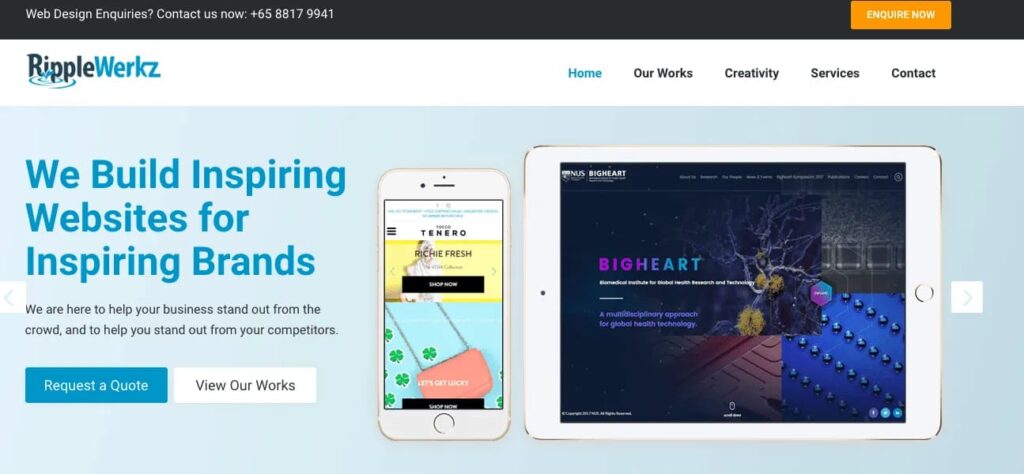
Ripplewerkz is a versatile agency that provides end-to-end design and development services, from websites to mobile apps, branding, and graphics.
Why Businesses Choose Them:
- Full-spectrum services, including payment system integration
- Strong expertise in UI/UX and brand identity design
- Popular among startups thanks to affordable, flexible solutions
Why Choose Ripplewerkz:
Their strength lies in versatility. Businesses that want a single partner for multiple needs—from website design to branding—find Ripplewerkz efficient and reliable.
7. Awebstar Technologies
With more than 12 years of industry experience and over 5,000 projects delivered, Awebstar is known for fast, efficient, and high-performing websites.
Strengths:
- Quick turnaround times without sacrificing quality
- Broad service offerings, including mobile app and software development
- Trusted by clients across various industries
Why Choose Awebstar:
If speed and reliability are priorities, Awebstar offers efficient project delivery while maintaining quality. Their ability to handle complex software solutions also makes them suitable for businesses looking beyond just website design.
8. Lemonade
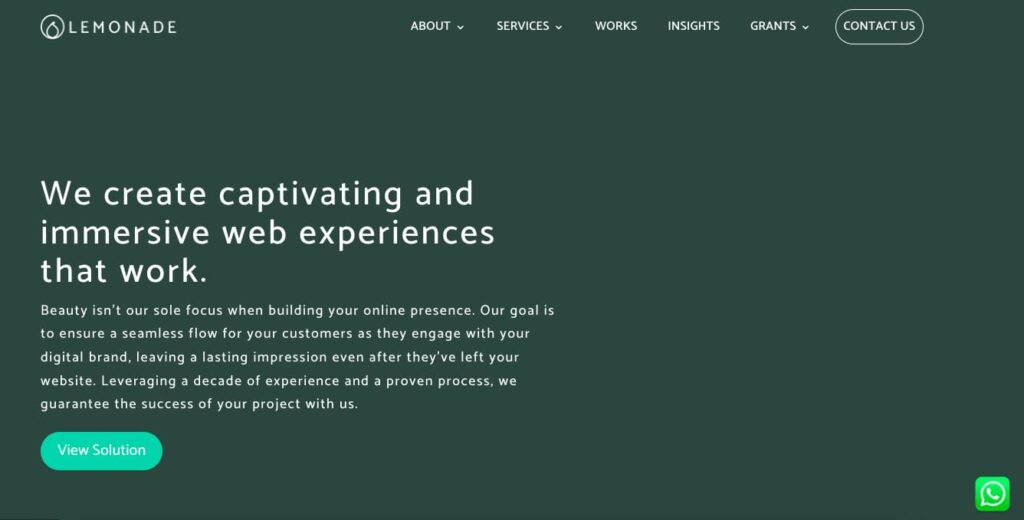
Lemonade is a boutique web design agency that has carved a niche for itself with modern, clean, and secure WordPress websites.
Highlights:
- Strong emphasis on security and website protection
- Over 800 clients, including big names like NinjaVan and NTUC
- Recognised by CSS Design Awards for design excellence
Why Choose Lemonade:
For companies that want a modern, lightweight, and secure site, Lemonade delivers. Their boutique approach ensures attention to detail, making them a good fit for businesses that value design craftsmanship and security.
9. MediaPlus Digital
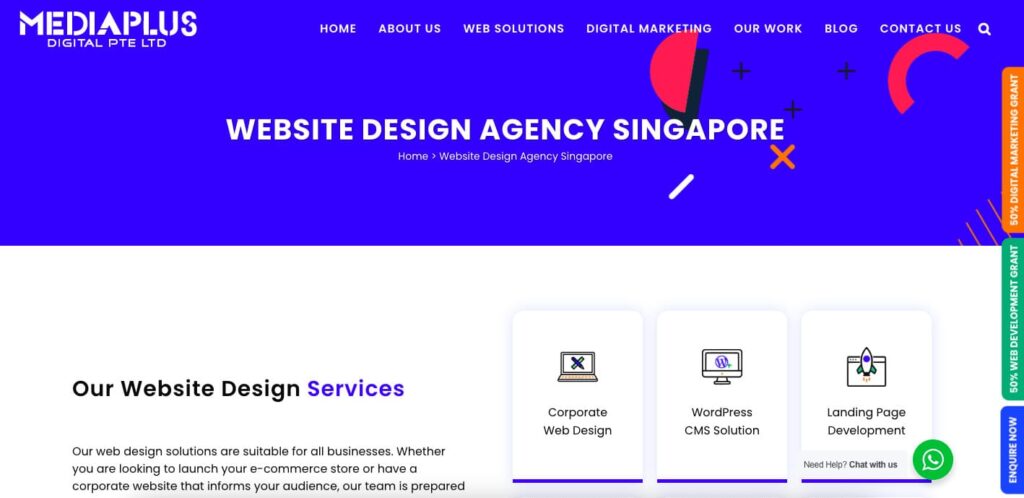
MediaPlus Digital empowers businesses by focusing on CMS-driven websites that clients can easily manage on their own.
Why They Shine:
- Provide training for clients to manage content and updates independently
- Strong reputation for support and reliable hosting services
- Awarded Top SEO Company in Singapore at the TechBehemoths Awards 2022
Why Choose MediaPlus:
For businesses that value autonomy and control, MediaPlus stands out. Their training-oriented approach means clients aren’t fully dependent on developers for every update, which is cost-saving in the long run.
10. JIN Design
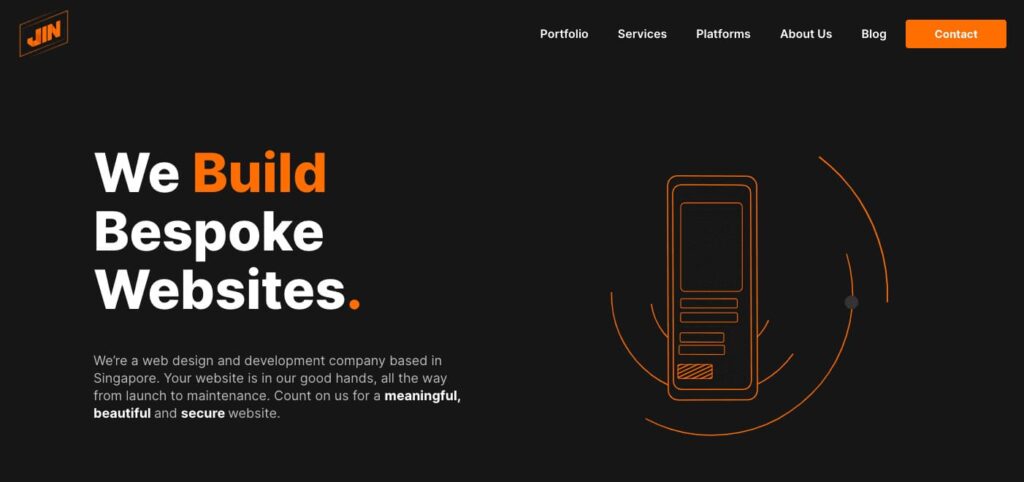
JIN Design positions itself as a user-centric agency that specialises in conversion-driven design. They work with both startups and established corporations, always with a focus on usability and measurable results.
Strengths:
- Expertise in information architecture and Google PageSpeed optimisation
- Worked with major brands including Singlife, UOB, and DBS
- Strong after-launch support, including content editing services
Why Choose JIN Design:
If user experience and conversion optimisation are your priorities, JIN Design offers proven expertise. Their ability to blend functional layouts with business goals makes them a great partner for growth-focused companies.
| Company | Best For | Design | Development | Years in SG |
|---|---|---|---|---|
| iCreationsLAB | SEO + Conversion | ⭐⭐⭐⭐⭐ | ⭐⭐⭐⭐⭐ | 17+ |
| OOm | Marketing-Led Websites | ⭐⭐⭐⭐ | ⭐⭐⭐⭐ | 18+ |
| eFusion | SME & PSG | ⭐⭐⭐⭐ | ⭐⭐⭐ | 20+ |
| Corsiva Lab | Branding & UX | ⭐⭐⭐⭐ | ⭐⭐⭐ | 10+ |
See More: How Custom Web Development Services Can Skyrocket Your Sales
How to Choose the Right Website Design and Development Company in Singapore
With dozens of website design and development agencies operating in Singapore, choosing the right partner can feel overwhelming. Yet this decision is one of the most critical investments your business will make. The right agency can help you attract customers, scale efficiently, and strengthen your digital presence—while the wrong choice may result in wasted budget, poor performance, and costly rework.
This comprehensive guide will help you evaluate agencies strategically and select a partner that truly aligns with your business goals.
1. Clearly Define Your Business Objectives from the Start
Before engaging any agency, clarify what you want your website to achieve. Are you aiming to:
- Generate qualified leads?
- Drive e-commerce sales?
- Build brand credibility?
- Serve as an information hub or corporate platform?
Different objectives require different design and development strategies. For example, a corporate website focuses on trust, clarity, and branding, while an e-commerce site prioritises performance, user journeys, and secure payment integrations. When your goals are clearly defined, you can identify agencies with proven expertise in delivering those specific outcomes.
2. Evaluate Portfolios and Case Studies Beyond Visual Design
An agency’s portfolio reveals far more than its visual style. Look deeper to assess whether past projects demonstrate:
- Strategic layouts and clear user journeys
- Mobile-first and responsive design
- SEO-friendly structure and fast performance
- Conversion-focused elements and CTAs
Case studies are especially valuable, as they show how the agency addressed real business challenges and achieved measurable results. Ideally, seek examples within industries similar to yours to ensure they understand your market, audience behaviour, and competitive landscape.
3. Analyse Client Reviews, Testimonials, and Reputation
Client feedback provides insight into how an agency operates in real-world scenarios. Check reviews on platforms such as Google, Clutch, or industry directories, and look for consistent themes around:
- Communication and transparency
- Reliability and meeting deadlines
- Quality of post-launch support
A few neutral reviews are normal, but repeated complaints are a red flag. Consistency and authenticity matter more than perfect ratings.
4. Assess SEO and Digital Marketing Expertise
A visually impressive website alone will not generate results if it’s invisible on search engines. Ask whether the agency integrates SEO best practices during development, including:
- Optimised site architecture and internal linking
- Fast loading speeds and Core Web Vitals optimisation
- Mobile-first design and structured data (schema markup)
Agencies that also offer digital marketing services—such as content strategy, SEO, PPC, or social media—bring added value, as your website is built with long-term growth and traffic acquisition in mind.
5. Understand Post-Launch Support and Website Maintenance
A website is not a one-time project—it’s a long-term digital asset. Technology, security requirements, and user expectations evolve rapidly. Clarify whether the agency provides ongoing support such as:
- Security patches and system updates
- Bug fixes and performance optimisation
- Regular backups and uptime monitoring
A trustworthy agency positions itself as a long-term partner, ensuring your website remains secure, relevant, and competitive long after launch.
6. Set Clear Expectations for Budget and Timelines
Website design and development costs in Singapore can vary widely, from modest corporate sites to complex custom or e-commerce platforms. Request a transparent cost breakdown covering:
- Design and development
- Content and SEO implementation
- Hosting, licensing, and maintenance
Equally important is the project timeline. Professional agencies provide realistic delivery schedules and milestone-based planning, rather than overpromising speed at the expense of quality.
7. Evaluate Communication and Project Management Processes
Successful projects rely on clear communication as much as technical expertise. Ask about:
- Dedicated project managers or account leads
- Frequency of progress updates and reviews
- Collaboration tools such as Trello, Asana, or Slack
A structured workflow ensures your feedback is incorporated efficiently and your vision is accurately translated into the final website.
8. Look for Strategic Thinking and Innovation
The best website design and development companies act as consultants, not just service providers. They should proactively suggest improvements, recommend best practices, and stay ahead of trends such as:
- AI-powered chatbots and automation
- Voice search and advanced SEO techniques
- Headless CMS and scalable architectures
An agency that embraces innovation ensures your website remains future-ready—rather than outdated within a year.
See More: Professional Custom Web Development Services for Businesses in 2025
Top Website Design & Development Trends to Watch in
The digital landscape is evolving rapidly, and websites that fail to keep up risk losing relevance. Design trends are shaped by changing user expectations, new technologies, and even global sustainability efforts. Here are the top trends businesses in Singapore—and globally—should pay attention to:
1, AI-Powered Personalisation
Artificial Intelligence is transforming the way websites interact with users. Instead of generic experiences, websites can now deliver dynamic, personalised content based on browsing history, location, device type, and even real-time behavior. For example, an e-commerce website can recommend products tailored to an individual shopper’s past purchases, while a B2B site can display case studies relevant to a visitor’s industry. This level of customisation increases engagement, improves conversion rates, and makes the website feel like a one-to-one experience.
2, Voice Search Optimisation
With smart speakers and mobile voice assistants like Siri, Alexa, and Google Assistant becoming mainstream, voice search is reshaping SEO strategies. Websites need to be structured around natural language queries. That means creating conversational content, using long-tail keywords, and ensuring FAQ sections answer “who, what, where, when, and how” style questions. Optimising for voice search not only improves visibility but also enhances accessibility, giving businesses an edge in organic traffic.
3, Immersive UI/UX with Micro-Interactions
User experience is no longer limited to static pages. Immersive design elements such as micro-interactions, smooth animations, augmented reality (AR) previews, and 3D product displays are setting new standards for engagement. These subtle details—like a button animation when hovered over or a 3D model a user can rotate—create delight, encourage exploration, and make websites feel modern and interactive. When done right, immersive UI/UX can significantly increase the time visitors spend on your site.
4, Mobile-First and Multi-Device Design
More than 60% of global web traffic now comes from smartphones, making mobile-first design the default standard. It’s not just about mobile—it’s about ensuring a seamless experience across every device, from tablets to wearables. Google’s mobile-first indexing also means that websites optimised for smartphones will continue to enjoy ranking advantages. Fast loading speeds, thumb-friendly navigation, and minimalistic layouts are key to success.
5, Sustainable and Eco-Friendly Web Design
As businesses embrace sustainability, websites are also going green. Sustainable web design focuses on energy-efficient coding, lightweight images, and streamlined hosting solutions that reduce carbon footprints. Not only does this approach lower environmental impact, but it also improves performance—lighter sites load faster and consume less bandwidth. For companies in Singapore looking to position themselves as eco-conscious, adopting green web practices can also enhance brand reputation.
See More: How Much Does Web Page Design Cost in Singapore?
Checklist: 5 Things to Prepare Before Working with a Web Design Agency
Contacting a website design company without proper preparation often leads to unclear expectations, longer timelines, and unnecessary costs. By organising a few essential elements in advance, you not only streamline the collaboration process but also increase the likelihood of receiving a website that truly supports your business goals.
Here are five key things you should prepare before reaching out to a professional website design agency:
1. Brand Assets and Visual Identity Guidelines
Your website is a direct extension of your brand, so consistency is critical. Before contacting an agency, compile all relevant brand assets, including:
- High-resolution logo files (AI, EPS, SVG, or PNG)
- Brand colours with HEX or RGB codes
- Typography or font guidelines
- Professional images or visual references
If you already have a brand style guide, sharing it early ensures the design team understands your visual identity from the start. This preparation reduces revisions, saves time, and results in a website that accurately reflects your brand personality.
2. Clearly Define the Type and Purpose of Your Website
Every website serves a different business function. Clarify whether you need:
- A corporate website focused on credibility and information
- An e-commerce platform with secure payments and product management
- A portfolio or creative site showcasing past work
- A lead-generation website with strong calls-to-action
Defining the website’s purpose helps the agency recommend the right structure, features, and technology stack—ensuring your website is built to achieve specific, measurable outcomes.
3. Set a Realistic Budget Range
Website design and development costs in Singapore vary widely based on scope and complexity. Basic corporate websites may cost a few thousand dollars, while advanced e-commerce or custom platforms can reach tens of thousands.
By researching the market and setting a realistic budget range in advance, you:
- Avoid misaligned expectations
- Enable agencies to propose suitable solutions
- Prevent unnecessary features that inflate costs
A clear budget allows the agency to focus on delivering maximum value within your financial parameters.
4. Establish a Practical Timeline for Launch
A quality website requires careful planning, design, development, and testing—it cannot be rushed. Depending on the project size:
- Simple websites typically take 4–6 weeks
- Larger, more complex platforms may take several months
Having a preferred launch timeframe helps both parties plan resources effectively and set achievable milestones. Realistic timelines also reduce stress and ensure your website launches smoothly without compromising quality.
5. Prepare Content and Information in Advance
Even the most visually impressive website will underperform without strong, well-structured content. Start preparing:
- Product or service descriptions, pricing, and specifications
- Unique selling points, case studies, and client benefits
- Legal pages such as privacy policy, terms & conditions, and return policies
- Visual assets including photos, videos, or graphics
Providing clear and organised content enables the design team to build a website that not only looks professional but also communicates your value proposition clearly and persuasively.
See More: Fast & Affordable Website Creation Singapore Services in 2025
Designing Your Digital Success
Your website is the first impression, the sales tool, and the trust builder for your business. Choosing the right website design and development company in Singapore can define your digital success for years to come.
From industry veterans like iCreationsLAB to innovative agencies like Lemonade and MediaPlus Digital, there’s an option for every business need and budget.
Whether you’re a startup seeking a bold new website or an established brand looking for a redesign, partnering with the right agency will ensure you stay ahead competitive online landscape.
Website Design vs Website Development: Differences Every Business Should Know
Website design emphasizes the visual aesthetics and user experience of a site, while website development focuses on the technical coding and functionality that make it operational.
Core Differences
Website design involves creating layouts, color schemes, typography, and interactive mockups using tools like Figma to ensure an intuitive and appealing interface. Website development builds the site’s structure with HTML, CSS, JavaScript for front-end visuals, and backend languages like PHP or Python for databases, forms, and security.
Key Comparison
| Aspect | Website Design | Website Development |
| Primary Focus | Visuals and UX | Functionality and code |
| Tools/Skills | Figma, Adobe XD, creativity | VS Code, JS frameworks, programming |
| Output | Wireframes, prototypes | Live, interactive site |
| Timeline Impact | 2-4 weeks | 4-8 weeks |
What Makes a High-Converting Website Design?
High-converting website designs prioritize user-centric experiences that reduce friction, build trust, and guide visitors toward actions like purchases or sign-ups through data-driven elements and modern trends.
Essential Features
Minimalist layouts with ample white space focus attention on key messages and interactive CTAs, improving engagement by making navigation intuitive and scannable. AI-powered personalization dynamically adjusts content based on user behavior, location, or past interactions, boosting relevance and conversion rates by up to 30%. Mobile-first designs with fast-loading pages (under 2 seconds) and thumb-friendly elements cater to over 60% of traffic from mobiles.
Key Trends
- Bento grids for organized, scannable content blocks that highlight features and CTAs effectively.
- Micro-interactions and subtle animations (e.g., hover effects, scroll-triggered reveals) that enhance delight without overwhelming users.
- Social proof like testimonials, trust badges, and real-time counters placed above the fold to foster credibility.
Comparison of Impact
| Element | Conversion Boost | Why It Works |
| Clear Value Prop | 20-40% | Instant clarity in hero section |
| Sticky/Animated CTAs | 15-25% | Persistent action prompts |
| Page Speed Optimization | 20% per second saved | Reduces bounce rates |
| Personalization | 25-50% | Tailored user journeys |
How Website Structure Affects SEO and Google Rankings
Website structure significantly influences SEO and Google rankings by facilitating efficient crawling, indexing, and user experience, which are core ranking signals.
Core Impacts
A logical hierarchy with shallow depth (pages reachable in 3-4 clicks) helps Google understand site organization, topical authority, and page importance through internal links and URL paths. Poor structure leads to crawl budget waste, orphan pages, and higher bounce rates, while optimized setups boost dwell time and conversions.
Key Best Practices
- Flat Hierarchy: Keep high-value pages near the homepage; use silos or topic clusters for related content.
- Internal Linking: Strategic links distribute link equity and guide crawlers; include breadcrumbs for navigation.
- Clean URLs: Descriptive, short slugs (e.g., /services/web-design) signal relevance without parameters.
Structure vs. Rankings
| Element | SEO Benefit | Impact on Rankings |
| Shallow Depth | Faster indexing | +20-30% crawl efficiency |
| Intuitive Navigation | Lower bounce rate | Core Web Vitals boost |
| XML Sitemap | Prioritizes key pages | 30% faster indexing |
| Mobile Responsiveness | All-device compatibility | Mobile-first indexing |
Responsive Web Design: Why Mobile-First Matters More Than Ever
Mobile-first responsive web design prioritizes building sites for smaller screens first, then scaling up, which is essential in as mobile traffic exceeds 60% globally and drives better SEO via Google’s mobile-first indexing.
Why It Matters
This approach ensures faster load times (under 2-3 seconds), reduced bounce rates, and intuitive navigation on mobiles, where users have shorter attention spans and thumb-based interactions dominate. It aligns with Core Web Vitals rankings, prioritizing lightweight code, optimized images, and essential content over bloated desktop features.
Key Benefits
- SEO Boost: Google crawls mobile versions primarily, favoring fast, accessible sites for higher rankings.
- User Retention: Streamlined experiences cut abandonment by 50%+ on slow networks common in regions like Southeast Asia.
- Future-Proofing: Adapts to wearables and foldables without redesigns.
Comparison: Mobile-First vs. Desktop-First
| Aspect | Mobile-First Responsive | Desktop-First |
| Load Speed | Optimized (sub-2s) | Slower on mobile |
| SEO Impact | Strong (indexing priority) | Penalized |
| UX Flexibility | Thumb-friendly, scalable | Pinched/zoomed views |
| Conversion Rate | 20-30% higher | Lower mobile drop-off |
Best Website Platforms in Singapore: WordPress, Shopify or Custom Development?
WordPress suits most Singapore businesses for its versatility and low cost, Shopify excels for e-commerce with seamless local payments, and custom development offers tailored scalability for enterprises.
Platform Breakdown
WordPress powers flexible sites with thousands of plugins for SEO, PDPA compliance, and local integrations, ideal for SMEs needing control without high upfront costs. Shopify provides drag-and-drop ease, PayNow/Stripe support, and built-in sales tools, perfect for quick online stores amid Singapore’s digital economy. Custom development (e.g., React/Node.js) delivers unique features like advanced analytics but requires agencies like OOm or Kyanon for higher budgets (SGD 10K+).
Comparison for Singapore Businesses
| Platform | Best For | Cost (SGD/Year) | Local Fit |
| WordPress | Blogs/corporate/SMEs | 120-600 (hosting) | Plugins for PDPA/SEO |
| Shopify | E-commerce/stores | 500-5,000 | PayNow, Shopee sync |
| Custom Dev | Enterprise/apps | 10,000+ | Scalable, full control |
Website Speed Optimisation: How Page Load Time Impacts SEO & Conversions
Page load time critically affects SEO through Google’s Core Web Vitals and user signals, while slow speeds slash conversions by driving high bounce rates.
SEO Impacts
Every second delay beyond 2-3 seconds increases bounce rates by 32-90%, signaling poor quality to Google and hurting rankings, especially under mobile-first indexing. Optimized speeds (under 2.5s on desktop, faster on mobile) improve crawl efficiency, indexation, and positions, with top SERP pages averaging 1.65s loads.
Conversion Effects
A 1-second delay cuts conversions by 7%, potentially costing businesses millions annually; 3-second waits drop satisfaction by 16% and amplify negative word-of-mouth.
Optimization Comparison
| Speed Metric | Ideal Target | Impact if Exceeded |
| Largest Contentful Paint (LCP) | <2.5s | 20%+ bounce increase |
| First Input Delay (FID) | <100ms | Slower interactions, 7% conv loss |
| Cumulative Layout Shift (CLS) | <0.1 | User frustration, lower dwell |
| Overall Load Time | <3s | 90% bounce at 5s |
UX/UI Design Principles Every Business Website Should Follow
UX/UI design principles guide business websites toward intuitive, engaging experiences that boost user satisfaction, retention, and conversions by prioritizing clarity and accessibility.
Core Principles
Clarity ensures users quickly grasp content and goals through simple language, visual hierarchy, and minimal clutter, reducing cognitive load. Consistency in layouts, colors, navigation, and interactions builds familiarity, speeding up task completion across devices. User-centered design focuses on needs via research, personas, and testing to align features with behaviors like mobile scrolling.
Essential Applications
- Accessibility: High contrast, alt text, keyboard navigation, and WCAG compliance serve all users, including those with disabilities.
- Usability: Intuitive flows with progressive disclosure reveal info step-by-step, minimizing friction via Fitts’s and Hick’s Laws.
- Efficiency and Delight: Fast interactions, micro-animations, and feedback create emotional positives without overwhelming.
Impact Comparison
| Principle | Business Benefit | Key Metric Boost |
| Clarity | Lower bounce rates | 30-50% faster task time |
| Consistency | Higher retention | 20%+ engagement lift |
| Accessibility | Broader reach, compliance | Meets PDPA/ADA standards |
| User-Centric | Improved conversions | 15-25% sales increase |
Website Security Essentials: How to Protect Your Business Website
Website security essentials focus on layered defenses like encryption, regular updates, and monitoring to shield business sites from rising threats like AI-driven attacks and ransomware.
Core Practices
SSL/TLS certificates encrypt data in transit, ensuring HTTPS compliance and trust signals for Google rankings while protecting sensitive info like logins and payments. Multi-factor authentication (MFA) and role-based access controls prevent unauthorized entry, with regular software/plugin updates patching 90% of known vulnerabilities.
Key Protections
- Web Application Firewall (WAF): Blocks SQL injections, XSS, and DDoS in real-time.
- Backups and Audits: Automated daily backups with vulnerability scans every quarter for quick recovery.
- Content Security Policy (CSP): Limits script execution to curb XSS attacks.
Essentials Comparison
| Practice | Threat Mitigated | Implementation Ease |
| SSL/TLS Encryption | Data interception | High (free via Let’s Encrypt) |
| MFA & Access Control | Account takeovers | Moderate (plugins available) |
| WAF | Common exploits | Moderate (Cloudflare free tier) |
| Regular Updates | Known vulnerabilities | High (auto-updates) |
| Backups | Data loss/ransomware | High (automated tools) |
Website Maintenance & Support: Why Ongoing Updates Are Critical
Ongoing website maintenance and support are critical for security, performance, and compliance, preventing downtime that costs businesses an average of SGD 10,000 per hour while sustaining SEO rankings and user trust.
Why Updates Matter
Regular updates patch vulnerabilities exploited in 90% of breaches, while neglected sites face malware risks rising 30% yearly; backups enable recovery from ransomware without data loss. Performance tweaks like cache clearing and image optimization cut load times by 40%, boosting conversions and Core Web Vitals scores for Google rankings.
Essential Tasks
- Weekly: Backups, malware scans, uptime checks.
- Monthly: Plugin/CMS updates, broken link fixes, content refreshes.
- Quarterly: SEO audits, speed tests, security reviews.
- Annually: SSL renewals, design audits, PDPA compliance checks.
Maintenance Comparison
| Frequency | Focus Areas | Business Impact |
| Weekly | Backups/security scans | Avoids data loss (99% recovery) |
| Monthly | Updates/performance | 20-50% speed gains |
| Quarterly | Audits/optimizations | SEO retention |
| Annual | Compliance/overhauls | Legal protection |