
The digital landscape in Singapore is dynamic, with businesses constantly seeking the most effective online presence. For many, the choice between a sprawling multi-page website and a streamlined single page website is a critical decision. While multi-page sites offer extensive content capacity, the allure of a concise, focused online presence is growing. This guide delves into the world of the Single Page Website Singapore – exploring its advantages, disadvantages, optimal use cases, and how to maximize its potential in the competitive Singaporean market. Whether you’re a startup, a freelancer, or a small business, understanding if this minimalist approach aligns with your strategic goals is crucial for achieving online success and converting visitors into customers.
What Exactly is a Single Page Website?
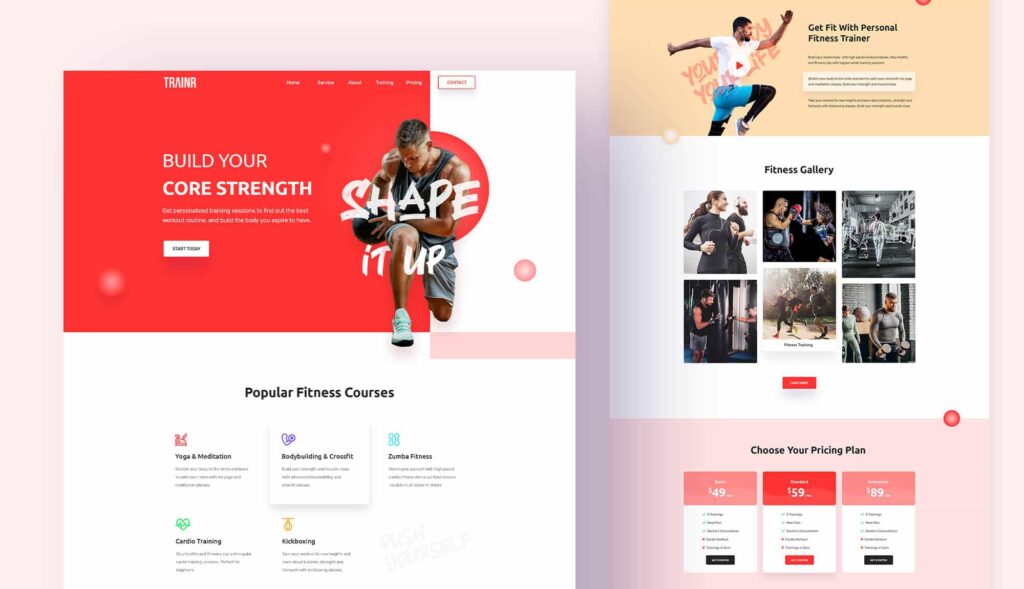
A single page website, often referred to as a one-page site, is a type of website design where all the content is presented on a single HTML page. Instead of navigating through multiple distinct pages via a traditional menu, users scroll down to access different sections of information. This design philosophy prioritizes simplicity, directness, and a guided user journey, making it a popular choice for specific business objectives in Singapore.
Định nghĩa: A single page website consolidates all its content onto one long, scrolling page, typically using anchor links in the navigation menu to jump to specific sections rather than loading new pages.
Characteristics:
- Linear Navigation: Users scroll vertically to explore content, often aided by smooth scroll effects.
- Anchor Links: Navigation menu items typically link to specific sections on the same page, providing a pseudo-multi-page experience without leaving the main document.
- Focused Content: Designed to deliver a singular message or showcase a limited set of offerings, avoiding information overload.
- Visual Storytelling: Often relies heavily on strong visuals, animations, and interactive elements to guide the user through the narrative.
- Simplicity: The core principle is to streamline the user experience, making information easily digestible and actions straightforward.
The Anatomy of a One-Page Site
While seemingly simple, a well-structured one-page site includes several key components that work together to create a cohesive user experience. These typically include:
- Header/Navigation: A sticky header with anchor links to different sections (e.g., “About Us,” “Services,” “Portfolio,” “Contact”).
- Hero Section: The prominent top section, often featuring a compelling headline, a strong visual, and a primary call-to-action (CTA).
- About Us/Introduction: A brief overview of the business, its mission, or the individual.
- Services/Products: A concise presentation of key offerings.
- Portfolio/Showcase: Examples of work or projects, often with high-quality images or short videos.
- Testimonials: Social proof from satisfied clients.
- Contact Form/Information: Essential contact details and a direct way for visitors to get in touch.
- Footer: Minimal information, often including copyright and social media links.
How Single Page Websites Differ from Multi-Page Sites
The fundamental difference lies in content organization and user interaction.
| Feature | Single Page Website | Multi-Page Website |
|---|---|---|
| Content Structure | All content on one scrollable page | Content distributed across multiple distinct pages |
| Navigation | Vertical scrolling, anchor links | Horizontal navigation (menu), clicking loads new pages |
| User Journey | Linear, guided storytelling | Non-linear, exploratory |
| SEO Potential | Challenging for broad keywords, limited unique URLs | Strong for diverse keywords, multiple unique URLs |
| Scalability | Limited, difficult to add extensive content | High, easy to expand with new pages and sections |
| Load Time | Potentially slower if content is heavy | Generally faster per page, but more pages to load |
| Analytics | Tracks overall page engagement, scroll depth | Tracks individual page views, deeper user flows |
According to a study by HubSpot, websites with more pages tend to generate more leads, but single-page sites often boast higher conversion rates for specific goals due to their focused approach. This highlights the importance of aligning your website choice with your business objectives.
Why Choose a Single Page Website in Singapore? Key Advantages
For businesses in Singapore, a Single Page Website Singapore offers several compelling advantages, particularly for those with specific goals that benefit from a streamlined online presence. These benefits often translate into improved user engagement and more efficient lead generation.
Enhanced User Experience and Simplicity
One of the primary strengths of a single page website is its ability to deliver a seamless and intuitive user experience. By eliminating the need to click through multiple pages, users can absorb information quickly and efficiently.
- Guided Journey: A well-designed one-page site tells a story in a linear fashion, guiding visitors through a carefully curated narrative. This can be highly effective for conveying a core message or pitching a product.
- Reduced Decision Fatigue: With fewer navigation choices, visitors are less likely to feel overwhelmed, leading to a smoother browsing experience.
- Focus on Conversion: The entire design can be geared towards a single call-to-action, minimizing distractions and encouraging immediate engagement. Data from ConversionXL suggests that reducing friction in the user journey can increase conversion rates by up to 20%.
Cost-Effectiveness and Faster Deployment
For startups and small businesses in Singapore operating on tight budgets and timelines, a single page website can be a highly attractive option.
- Lower Development Costs: Fewer pages mean less content to create, fewer templates to design, and generally less development time. This can significantly reduce the initial investment in Website Design and Website Development.
- Quicker Launch: The simplified structure allows for faster development cycles, enabling businesses to get online and start engaging with their audience much sooner. This is particularly beneficial for time-sensitive campaigns or product launches.
- Easier Maintenance: With only one page to manage, updates and maintenance become less complex and time-consuming. This simplicity can be a significant advantage for businesses without dedicated IT or web development teams. According to iCreationsLAB, streamlined maintenance reduces operational overhead.
Mobile Responsiveness and Conversion Focus
In a mobile-first world, particularly in tech-savvy Singapore where smartphone usage is exceptionally high (over 80% penetration), a single page website naturally lends itself to excellent mobile experiences.
- Native Scrolling Experience: Scrolling is a natural gesture on mobile devices, making one-page sites inherently mobile-friendly. Users don’t have to wait for new pages to load, contributing to a fluid experience.
- Optimized for Mobile Screens: Designers can focus on optimizing the single page for various screen sizes, ensuring consistent readability and usability across all devices. This is crucial for SEO, as Google prioritizes mobile-first indexing.
- Higher Mobile Conversion Rates: The focused nature of a Single Page Website Singapore often leads to higher conversion rates on mobile, as users can quickly find the information they need and complete a desired action without excessive tapping or loading. A study by Statista showed that mobile e-commerce sales in Singapore are steadily increasing, making mobile optimization a non-negotiable.
Simplified Maintenance and Updates
Managing a single page is inherently less complex than overseeing a multi-page site, offering distinct advantages for resource-constrained businesses.
- Centralized Content Management: All content lives in one place, making it easier to review, edit, and update. This reduces the risk of outdated information on obscure pages.
- Reduced Bug Surface: Fewer interactive elements and pages generally mean fewer potential points of failure or bugs, simplifying Web & Security Maintenance.
- Streamlined Analytics: While deeper insights can be challenging, basic performance tracking and user behavior analysis are straightforward for a single page, focusing on scroll depth, time on page, and conversion events.
When is a Single Page Website the Ideal Solution for Singapore Businesses?
While the benefits are clear, a single page website isn’t a universal solution. Its effectiveness is maximized when aligned with specific business models, marketing objectives, and content requirements. In Singapore’s diverse market, certain scenarios particularly favor this minimalist approach.
Portfolios and Personal Branding
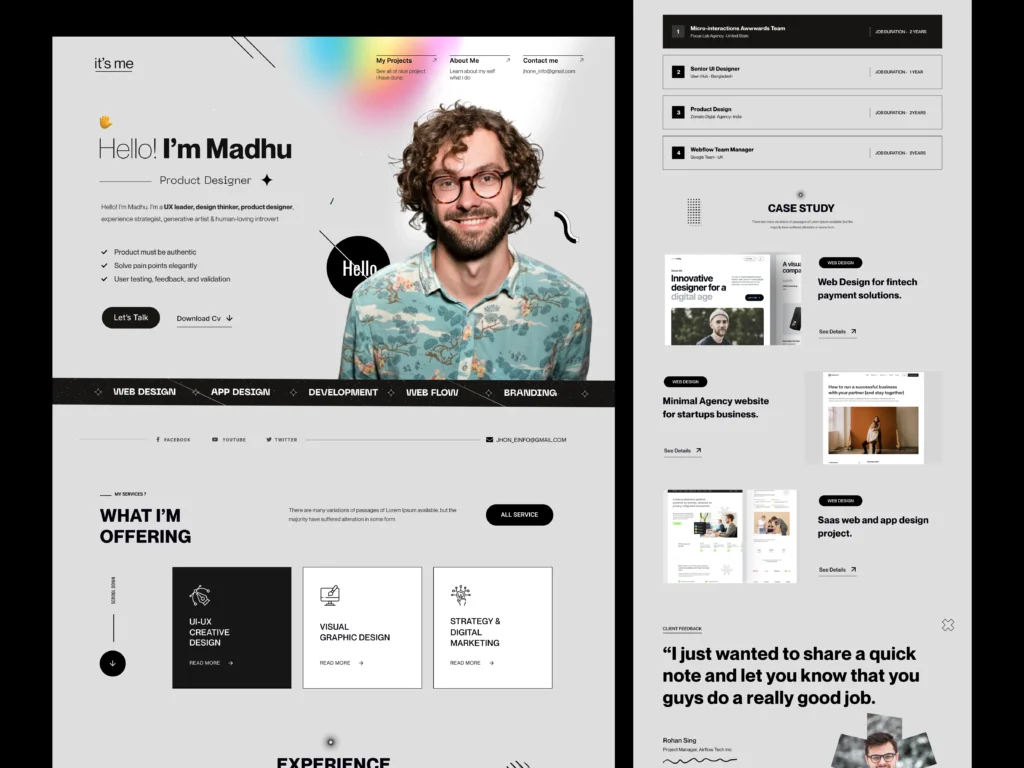
For creatives, freelancers, consultants, and professionals, a single page website is an excellent choice to showcase their work and establish their personal brand.
- Concise Showcase: Artists, photographers, designers, and writers can present their best work, an “About Me” section, and contact details all on one scrollable canvas. This offers a powerful, cohesive narrative of their skills and experience.
- Strong Visual Impact: The format encourages striking visuals and a clear flow, making it ideal for demonstrating design capabilities or artistic vision. A well-designed portfolio can leave a lasting impression.
- Direct Contact: The primary goal is often to generate inquiries or job opportunities, which can be facilitated by a prominent contact form at the bottom of the page. Many successful freelance professionals in Singapore leverage one-page sites for this purpose.
Event Websites and Landing Pages
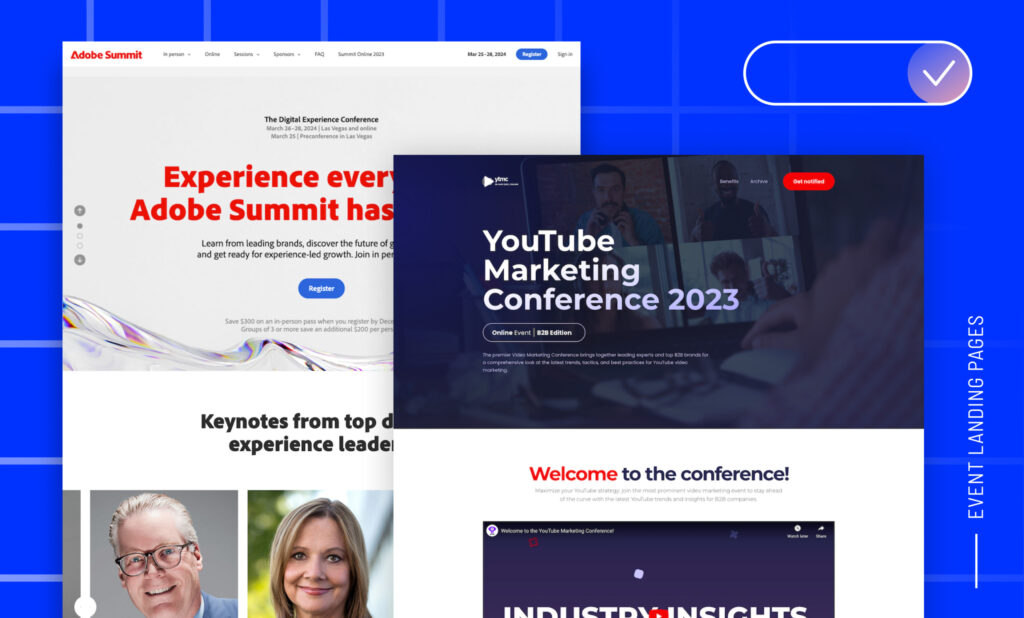
For time-sensitive campaigns, product launches, or specific events, a single page website serves as a highly effective landing destination.
- Event Promotion: Ideal for conferences, workshops, webinars, or product launch events. All critical information—date, agenda, speakers, registration—can be presented logically.
- Campaign-Specific Focus: When running marketing campaigns (e.g., through Social Media Marketing (SMM) or Search Engine Marketing (SEM)), a dedicated single-page landing page can drive conversions for a specific offer, such as a whitepaper download, a free trial, or a limited-time discount.
- Clear Call-to-Action: These sites are designed with a singular conversion goal in mind, making it easy for visitors to take the desired action without distractions.
Small Businesses with Limited Offerings

Startups and small businesses in Singapore that offer a niche service or a limited range of products can greatly benefit from a single page website.
- Service-Oriented Businesses: A local café, a personal trainer, a small accounting firm, or a boutique salon can effectively present their services, location, operating hours, and contact information without overwhelming visitors.
- New Businesses: For entities just starting out, a one-page site provides a professional online presence quickly and affordably, allowing them to test the market or establish credibility before investing in a more complex site.
- Brand Introduction: It serves as an excellent digital business card, offering a snapshot of what the business does and how to get in touch.
Product Launches and Campaigns
When introducing a new product or running a focused marketing campaign, a single page website can be a powerful tool for generating interest and capturing leads.
- Product Micro-sites: A dedicated page can highlight the key features, benefits, and call-to-action for a single product, creating excitement and driving pre-orders or sign-ups.
- Explainer Pages: Complex services or innovative products can be broken down into easily digestible sections on one page, guiding the user through the value proposition step-by-step.
- Lead Generation: With clear forms and compelling content, these sites are highly effective at capturing contact information for potential customers.
👉 Web Design Singapore for Startups: How to Launch Fast on a Tight Budget
👉 Website Design Singapore: How to Build a Stunning Website That Converts
The Downsides: When a Single Page Website Falls Short
Despite its advantages, a single page website is not suitable for every business or objective. There are significant limitations, particularly concerning search engine optimization (SEO), scalability, and detailed analytics, which can impact long-term growth and visibility in Singapore’s competitive digital space.
SEO Challenges for Comprehensive Content
This is arguably the biggest drawback of a single page website, especially for businesses aiming for broad organic search visibility.
- Limited Keyword Targeting: A single page can only effectively target a very limited set of keywords. Unlike multi-page sites where each page can be optimized for a unique long-tail keyword or topic, a one-page site must consolidate all its SEO efforts. This makes it challenging to rank for a wide array of search queries. According to a study by Ahrefs, websites with more pages tend to rank for a higher number of keywords.
- Single Meta Description and Title: You only have one opportunity for a meta title and description, which must encapsulate the entire site’s content. This restricts your ability to tailor these crucial elements for different search intents.
- Shallow Content Depth: While a one-page site aims for conciseness, comprehensive topics often require deeper dives into sub-topics, which a single page cannot accommodate without becoming excessively long and unwieldy. Google’s algorithms favor in-depth, authoritative content for complex queries.
- Fewer Internal Linking Opportunities: Internal linking is a powerful SEO signal, helping Google understand site structure and topic authority. A single page offers very limited internal linking potential, reducing its ability to pass “link juice” and establish topical relevance across multiple subjects.
Scalability Limitations
As a business grows and its offerings expand, a single page website quickly becomes restrictive.
- Difficulty in Adding New Content: Introducing new products, services, blog posts, or detailed case studies can bloat a one-page site, making it slow to load and difficult to navigate. For businesses planning significant expansion, this limitation is critical.
- Poor for Blogging: A blog is a powerful tool for content marketing and SEO. A single page site cannot effectively host a blog, thus missing out on opportunities to publish fresh content, attract new visitors, and build authority.
- Limited Feature Integration: Integrating extensive features like complex e-Commerce functionalities, membership areas, or robust Website Application features is impractical on a single page.
Analytics and Tracking Complexities
While basic analytics are straightforward, gaining deep insights into user behavior can be more challenging.
- Less Granular Data: Traditional analytics platforms track page views, which are less meaningful on a single page. You’ll need to rely more on event tracking (e.g., scroll depth, clicks on anchor links, form submissions), which requires more advanced setup.
- Difficulty in A/B Testing: A/B testing different sections or content flows can be harder when everything is on one page, as changes in one area might inadvertently affect another.
- Attribution Challenges: Understanding which specific content section led to a conversion can be less clear compared to a multi-page site where each page has a distinct purpose.
Information Overload and Load Times
While aiming for simplicity, a single page website can ironically lead to information overload if not meticulously designed.
- Excessive Scrolling: Too much content on one page can result in an extremely long scroll, leading to user fatigue and abandonment. Users might miss crucial information buried deep down.
- Slower Initial Load Times: If the single page contains a large amount of high-resolution images, videos, or complex scripts, the initial load time can be significantly slower than a multi-page site where content is loaded incrementally. A slow loading site can negatively impact user experience and SEO rankings. Core Web Vitals, which measure page experience, penalize slow loading times.
How to Optimize a Single Page Website for SEO in Singapore
Despite the inherent SEO challenges, it is still possible to optimize a Single Page Website Singapore for search engines. The key lies in strategic planning, meticulous execution, and a deep understanding of how search engines interpret content on a single page. This requires a different approach compared to multi-page SEO.
Strategic Keyword Integration
Since you have only one page, every keyword choice and placement becomes critical.
- Focus on One Primary Keyword: Choose one highly relevant primary keyword that accurately reflects the core offering of your page. This keyword should be present in your H1 tag, URL, meta title, meta description, and naturally throughout the content, especially in the first 100 words.
- Utilize Long-Tail Keywords in H2/H3s: While the main page focuses on a primary keyword, use your H2 and H3 subheadings to target related long-tail keywords. Each section can address a specific aspect of your service or product, allowing you to capture more specific search queries. For example, if your primary keyword is “Web Design Singapore,” an H2 could be “Affordable Web Design for Startups.”
- Semantic Keyword Variation: Integrate synonyms and semantically related terms throughout your content. This helps search engines understand the broader context of your page and rank for variations of your primary keyword. Tools like Google Keyword Planner or Ahrefs can help identify these.
- Content Depth within Sections: Even though it’s a single page, ensure each section provides sufficient detail and value for its sub-topic. Avoid superficial content.
Effective Internal Linking and Anchor Tags
While traditional internal linking is limited, you can leverage anchor links effectively for SEO.
- Descriptive Anchor Links for Navigation: Use descriptive anchor text for your on-page navigation links (e.g., “Our Services” instead of “Services”). This helps search engines understand what each section is about.
- Contextual Linking to External Resources: Where appropriate, link out to high-authority external resources to provide additional context and establish credibility.
- Strategic Use of Internal Links: Even within a single page, you might have opportunities to link to other properties or relevant content on your main domain if your single page is a sub-domain or a campaign page. For instance, linking to your main Portfolio page.
URL Structure and Schema Markup
These technical elements play a vital role in how search engines interpret your single page.
- Clean, Keyword-Rich URL: Ensure your URL is short, descriptive, and includes your primary keyword (e.g., `yourdomain.com/single-page-website-singapore`).
- Schema Markup: Implement relevant schema markup (e.g., Organization, LocalBusiness, Product, Service) to provide structured data to search engines. This helps them understand the context of your content and can lead to rich snippets in search results. For a single service, `Service` schema is highly recommended.
- Canonical Tag: If your single page exists in multiple versions (e.g., with different tracking parameters), use a canonical tag to specify the preferred version to avoid duplicate content issues.
Page Speed and Mobile Optimization
Crucial for all websites, but especially for single-page sites that might have heavy content.
- Optimize Images and Videos: Compress all media files to ensure fast loading times. Use next-gen formats like WebP. Tools like TinyPNG can reduce image sizes significantly without compromising quality.
- Lazy Loading: Implement lazy loading for images and videos that are further down the page, so they only load when a user scrolls to them.
- Minify CSS and JavaScript: Reduce file sizes by minifying code.
- Leverage Browser Caching: Configure server-side caching to speed up subsequent visits.
- Responsive Design: Ensure the site is fully responsive and provides an excellent experience across all devices, particularly mobile. Google’s mobile-first indexing makes this non-negotiable. You can check your site’s mobile-friendliness with Google’s Mobile-Friendly Test tool.
Content Segmentation with Clear Headings
Even on a single page, content needs to be logically structured.
- Use H1, H2, H3 Tags Strategically: Your H1 should contain your primary keyword. Use H2s for main sections and H3s for sub-sections within those. This creates a clear hierarchy for both users and search engines.
- Descriptive Headings: Each heading should clearly indicate the content of its section, aiding readability and keyword relevance.
- Table of Contents: Consider adding an on-page table of contents with anchor links at the top of the page. This improves user navigation and can help search engines understand the page’s structure.
Single Page vs. Multi-Page Websites: A Comparative Analysis
Choosing between a single page and a multi-page website is a fundamental decision that impacts everything from user experience to search engine visibility and long-term scalability. While the Single Page Website Singapore offers simplicity, a multi-page site provides breadth and depth. Understanding their core differences and respective strengths is crucial for making an informed choice for your business in Singapore.
| Feature | Single Page Website (e.g., Product Landing Page) | Multi-Page Website (e.g., Corporate Site, Blog) | Verdict / Best For |
|---|---|---|---|
| Primary Goal | Single conversion event, clear message | Information dissemination, brand building, diverse goals | Single Page: Focused campaigns; Multi-Page: Comprehensive presence |
| Content Volume | Low to Medium (concise) | Medium to High (detailed) | Single Page: Limited content; Multi-Page: Extensive information |
| SEO Potential | Limited keywords, strong for specific queries | Broad keyword targeting, deep topical authority | Single Page: Niche, high-intent keywords; Multi-Page: Broad organic visibility |
| User Experience | Linear, guided, minimal clicks, mobile-friendly | Exploratory, diverse paths, rich content | Single Page: Simplicity, directness; Multi-Page: Depth, varied user needs |
| Scalability | Low, difficult to expand | High, easy to add new content/features | Single Page: Short-term, static; Multi-Page: Long-term growth, dynamic |
| Development Cost | Generally lower, faster to build | Generally higher, more complex to build | Single Page: Budget-friendly, quick launch; Multi-Page: Investment for growth |
| Maintenance | Simpler, fewer updates | More complex, regular updates | Single Page: Low effort; Multi-Page: Requires ongoing management |
| Analytics | Focus on scroll depth, event tracking | Granular page-level insights | Single Page: Specific event tracking; Multi-Page: Detailed user journey analysis |
| Ideal Use Case | Portfolios, landing pages, small campaigns | E-commerce, blogs, large corporate sites | Single Page: Specific, temporary needs; Multi-Page: Evolving, content-rich needs |
Choosing the Right Architecture for Your Business
The decision between a single page and a multi-page website should be driven by your specific business objectives, target audience, and content strategy.
- Consider Your Business Goals:
- Do you need to generate leads for a single product/service quickly? A single page site for a campaign or specific Website Application could be ideal.
- Do you have a lot of information to convey, multiple services, or an e-commerce store? A multi-page site is almost always the better choice for e-Commerce and comprehensive business needs.
- Are you building a personal brand or portfolio? A single page site can be highly effective for showcasing work.
- Assess Your Content Volume and Diversity:
- If your content is concise and can be logically presented in a linear flow, a single page might work.
- If you anticipate needing to add extensive content, blog posts, detailed product descriptions, or diverse service pages, a multi-page structure will provide the necessary flexibility and SEO advantages.
- Think About Your Target Audience:
- If your audience prefers quick, direct information and a clear call-to-action, a single page can be very effective.
- If your audience needs to explore different aspects of your business, compare products, or read in-depth articles, a multi-page site with robust UI UX design is essential.
- Evaluate Your SEO Strategy:
- For highly niche keywords and direct conversions from paid ads, a single page can perform well.
- For broad organic visibility, ranking for many keywords, and establishing authority in your industry, a multi-page website with a strong Search Engine Optimization (SEO) strategy is indispensable.
Ultimately, the best choice is one that aligns with your business’s current needs while also considering future growth. Many businesses start with a single-page site for a quick launch and later expand to a multi-page structure as their content and marketing needs evolve.
👉 Web Design vs. Web Development: What’s the Difference?
👉 The Real Cost of Web Development in Singapore: A Breakdown by Features, Platforms & Complexity
Designing a High-Converting Single Page Website: Best Practices
For businesses in Singapore opting for a Single Page Website Singapore, the design and user experience are paramount. Since all content is on one page, every element must contribute to a cohesive story and guide the user towards a conversion. A well-designed one-page site is not just about aesthetics; it’s about strategic placement and intuitive interaction.
Clear Call-to-Actions (CTAs)
On a single page, your CTAs are the most critical elements for driving conversions.
- Prominent Placement: Your primary CTA should be visible in the hero section and strategically repeated at the end of relevant content sections. Ensure it stands out visually.
- Compelling Language: Use action-oriented and benefit-driven language (e.g., “Get a Free Consultation,” “Download Your Guide,” “Start Your Project Today”).
- Single Primary CTA: While you can have secondary CTAs (e.g., “Learn More”), ensure there’s one clear, overarching action you want users to take. This minimizes confusion.
- Sticky CTA (Optional): For very long pages, a sticky CTA button that remains visible as the user scrolls can be highly effective.
Intuitive Navigation and Scrolling
Even without multiple pages, navigation is key to a positive user experience.
- Smooth Scroll Navigation: Implement smooth scrolling effects when users click on anchor links in the navigation menu. This provides a satisfying visual transition.
- Visual Cues for Sections: Use distinct visual breaks, background colors, or subtle animations between sections to clearly delineate different content blocks.
- Progress Indicators: For very long pages, a scroll progress bar can help users understand how much content remains, reducing fatigue.
- Back-to-Top Button: A discreet “back to top” button, especially on mobile, improves usability for users who have scrolled down extensively.
Engaging Visuals and Storytelling
Visuals are critical for breaking up text, conveying emotion, and maintaining user engagement on a single, long page.
- High-Quality Imagery and Video: Invest in professional Photography & Videography that aligns with your brand. Use visuals to illustrate points, showcase products, or introduce your team.
- Visual Hierarchy: Use varying font sizes, weights, and colors to create a clear visual hierarchy, drawing attention to the most important information.
- Infographics and Illustrations: Complex data or processes can be effectively communicated through custom Infographic or Illustration elements, making the content more digestible and engaging.
- Consistent Brand Identity: Maintain a consistent color palette, typography, and overall visual style throughout the page to reinforce your brand. This also applies to Graphic Design elements.
Performance Optimization
A single page can become heavy quickly, impacting load times.
- Image Optimization: As discussed in the SEO section, compress and optimize all images.
- Efficient Code: Ensure your Web Development is clean and efficient, minimizing unnecessary scripts and code.
- Content Delivery Networks (CDNs): Use a CDN to deliver assets faster to users globally, including those in Singapore.
- Minimize External Scripts: Limit the number of third-party scripts (e.g., tracking pixels, social media widgets) as they can significantly slow down page load.
- Choose Reliable Domain & Hosting: A fast and reliable hosting provider is fundamental to overall website performance.
By focusing on these design best practices, a Single Page Website Singapore can become a highly effective tool for achieving specific conversion goals and delivering a memorable user experience.
👉 Custom UI UX Design Solutions for Businesses
👉 7 Common Web Page Design Mistakes That Drive Visitors Away
The Future of Single Page Websites in Singapore’s Digital Landscape
Singapore’s digital landscape is continually evolving, driven by technological advancements and changing user behaviors. As AI becomes more integrated into search and user experiences, the role and optimization strategies for single page websites are also transforming. Understanding these trends is crucial for businesses looking to maintain a competitive edge.
AI Integration and Personalization
Artificial intelligence is set to revolutionize how users interact with websites, and single-page sites can particularly benefit from personalized experiences.
- AI-Driven Content Curation: Future single-page sites might use AI to dynamically reorder sections or highlight content most relevant to a specific user based on their browsing history, location, or implicit intent.
- Personalized CTAs: AI could adapt call-to-action buttons or messaging in real-time to increase conversion rates for individual visitors.
- Conversational Interfaces: Integration of AI-powered chatbots on a single page can provide instant answers, guide users through information, and even complete transactions, enhancing the user journey without adding new pages. This aligns with the principles of AI SEO in 2026.
- Predictive Analytics: AI can offer deeper insights into user behavior on a single page, predicting next actions and optimizing the flow for maximum engagement.
Micro-interactions and Dynamic Content
The trend towards richer, more interactive web experiences will continue to shape single-page design.
- Subtle Animations and Transitions: Expect more sophisticated micro-interactions that provide visual feedback and enhance the storytelling aspect of a single page, without overwhelming the user.
- Dynamic Content Loading: Instead of loading all content at once, sections of a single page could load dynamically as the user scrolls, improving initial page speed and perceived performance.
- Interactive Elements: Quizzes, polls, configurators, and other interactive tools will become more common on single-page sites, increasing engagement and data collection.
- Accessibility Enhancements: With AI, single-page sites can offer more advanced accessibility features, such as real-time language translation or voice-activated navigation, catering to Singapore’s diverse population.
The future of the Single Page Website Singapore lies in its ability to adapt to these technological shifts, offering highly personalized, interactive, and efficient user experiences while smartly addressing its inherent SEO limitations through AI-driven content and optimization.
👉 How to Check Your Brand Visibility in AI Search (2026)
👉 AI SEO in 2026: A Practical Guide to Ranking in Google AI Overviews, ChatGPT & Generative Search
Step-by-Step: Building a Single Page Website for Your Singapore Business
Building an effective Single Page Website Singapore requires a structured approach. From defining your objectives to launching and monitoring, each step plays a crucial role in creating a high-converting and user-friendly online presence. This process ensures that your minimalist site still delivers maximum impact.
- Define Your Goal and Content Strategy:
- Identify the Primary Objective: What is the single most important action you want visitors to take? (e.g., sign up for a newsletter, request a quote, download a portfolio). This will guide all subsequent design and content decisions.
- Outline Key Sections: Based on your objective, list all essential content sections (e.g., Hero, About, Services, Portfolio, Testimonials, Contact). Remember, conciseness is key.
- Content Prioritization: Determine the order in which information should be presented to tell a compelling, linear story.
- Choose Your Platform or Developer:
- Website Builders: For simpler sites and DIY enthusiasts, platforms like Squarespace, Wix, or WordPress with a one-page theme offer drag-and-drop functionality.
- Professional Web Design Company: For custom designs, specific functionalities, and professional optimization, engaging a local web design agency or a Web Developer in Singapore is recommended. They can ensure optimal performance, UI UX, and SEO.
- Consider Your Budget and Technical Expertise: This choice heavily depends on your resources and desired level of customization.
- Plan Your Layout and User Flow:
- Wireframing: Create basic sketches or digital wireframes to map out the placement of content, CTAs, and navigation elements. Focus on the logical flow of information.
- Visual Storytelling: Think about how visuals, animations, and typography will guide the user’s eye down the page.
- Mobile-First Design: Always prioritize how the site will look and function on mobile devices, given Singapore’s high mobile usage.
- Design and Develop the Website:
- Craft Compelling Copy: Write concise, engaging, and action-oriented Copywriting for each section. Every word counts on a single page.
- Integrate High-Quality Visuals: Use professional images, videos, and graphics that enhance your message without slowing down the page. This might involve Photography & Videography or Graphic Design.
- Implement Anchor Navigation: Ensure smooth scrolling and clear anchor links in your navigation menu.
- Build Responsive Design: Code the website to adapt seamlessly to various screen sizes.
- Set Up Forms: Integrate contact forms or lead generation forms efficiently.
- Optimize for SEO and Performance:
- On-Page SEO: Optimize your H1, H2s, meta title, meta description, and URL with your primary keyword and relevant long-tail variations.
- Image Optimization: Compress all images and use appropriate alt text.
- Page Speed Optimization: Minify code, leverage browser caching, and consider a CDN.
- Schema Markup: Add structured data to help search engines understand your content.
- Google Analytics: Set up event tracking for anchor link clicks, scroll depth, and form submissions to monitor user engagement.
- Submit to Search Engines: Ensure your site is indexed by submitting it to Google Search Console.
- Launch and Monitor:
- Thorough Testing: Before launch, test everything: all links, forms, responsiveness across devices, and load times.
- Go Live: Publish your website.
- Continuous Monitoring: Regularly check your analytics for user behavior, conversion rates, and page performance. Use tools like Google Analytics and Google Search Console to track your progress and identify areas for improvement.
- A/B Testing: Even on a single page, you can A/B test different CTA texts, hero images, or section arrangements to optimize conversion.
By following these steps, your Singapore business can successfully launch a Single Page Website Singapore that is both visually appealing and effective in achieving its specific objectives.
👉 How Long Does It Take to Build a Website?
👉 Professional Custom Web Development Services for Businesses
FAQ Section
Q1: Is a single page website good for SEO in Singapore?
A1: A single page website can be good for highly specific, niche SEO targeting, especially for long-tail keywords. However, it presents challenges for broad keyword ranking and comprehensive content, making it less ideal for businesses needing wide organic visibility in Singapore’s competitive market. Strategic optimization of headings and anchor links is crucial.
Q2: How much does a single page website cost in Singapore?
A2: The cost of a single page website in Singapore can vary significantly, typically ranging from SGD 500 to SGD 3,000+, depending on complexity, custom design, features, and the developer’s experience. It’s generally more affordable than a multi-page site due to reduced development time.
Q3: Can I add a blog to a single page website?
A3: No, a traditional blog with multiple posts is not suitable for a single page website. If blogging is essential for your content strategy and SEO, a multi-page website or a separate subdomain for your blog would be necessary. A single page can, however, link to external articles or resources.
Q4: What are the best use cases for a single page website in Singapore?
A4: Ideal use cases include personal portfolios, event landing pages, product launch sites, small business websites with limited services, online resumes, or specific marketing campaign pages focused on a single call-to-action. They excel when the message is concise and direct.
Q5: How do users navigate a single page website?
A5: Users navigate a single page website primarily by scrolling vertically. Most also include a sticky navigation menu with anchor links that, when clicked, smoothly scroll the user to a specific section on the same page, providing a guided, linear experience.
Q6: What are the main disadvantages of a single page website?
A6: The main disadvantages include limited SEO potential for a broad range of keywords, scalability issues for expanding content, potentially slower initial load times if content is heavy, and less granular analytics tracking compared to multi-page sites.
Q7: Are single page websites mobile-friendly?
A7: Yes, single page websites are often inherently mobile-friendly because scrolling is a natural gesture on mobile devices. Their linear structure and focus on concise content make them well-suited for responsive design and excellent mobile user experience.
Q8: Should I use a single page website for e-commerce?
A8: Generally, no. Single page websites are not suitable for e-commerce due to the need for multiple product pages, categories, shopping carts, and checkout processes. An e-commerce platform requires a robust multi-page structure to manage inventory and user flows effectively.
Q9: How can I improve SEO for a single page website?
A9: Improve SEO by focusing on one primary keyword, using long-tail keywords in section headings, optimizing meta tags and URL, ensuring fast page speed, implementing schema markup, and creating a strong, logical content flow with clear anchor links.
Q10: How long should a single page website be?
A10: The length of a single page website should be just enough to convey your message without overwhelming the user or causing excessive scrolling. While there’s no strict rule, aim for conciseness. A good practice is to keep it within 5-7 main sections that tell a complete story.
Q11: Can a single page website rank well on Google?
A11: Yes, a single page website can rank well on Google, especially for highly specific or long-tail keywords. However, it’s challenging to rank for broad, competitive terms compared to multi-page sites that can target many keywords across different pages. Success depends heavily on focused optimization and content quality.
Q12: What is the difference between a landing page and a single page website?
A12: A landing page is typically a single web page designed for a specific marketing campaign, with a single, focused call-to-action to capture leads or drive conversions. A single page website, while also one page, usually serves as a complete, albeit minimalist, online presence for a business or individual, encompassing all their core information.
Conclusion
The decision to opt for a Single Page Website Singapore is a strategic one, offering a compelling blend of simplicity, cost-effectiveness, and focused user experience. While ideal for portfolios, event promotions, and businesses with concise offerings, its inherent limitations in SEO, scalability, and detailed analytics must be carefully weighed against your long-term digital goals. For those whose objectives align with a minimalist approach, meticulous design, strategic content planning, and diligent performance optimization are paramount to transforming a single page into a powerful conversion machine in Singapore’s dynamic online environment.
👉 Take action now: Explore our services for custom website design and development to determine if a single page solution is right for your business needs.
📞 Phone: +65 6269 9558
🌐 Website: https://icreationslab.com/