
Singapore is one of Southeast Asia’s most competitive digital commerce markets. With over 5 million tech-savvy consumers, a world-class logistics infrastructure, and a government actively promoting digital transformation, the Lion City is fertile ground for eCommerce businesses of every size — from first-time entrepreneurs launching their first online store to established retailers going omnichannel.
But the question many business owners and digital marketers ask in 2026 remains the same: Is WooCommerce still the best eCommerce platform for Singapore businesses? Or have newer alternatives like Shopify, BigCommerce, or even headless commerce solutions finally overtaken it?
In this comprehensive guide, we break down everything you need to know — from WooCommerce’s Singapore-specific strengths and limitations to how it stacks up against the competition. Whether you are a startup, an SME, or a growing brand, this article gives you the data-driven insight to make the right platform decision.
1. What Is WooCommerce and Why Does It Matter in Singapore?
WooCommerce is an open-source eCommerce plugin built on top of WordPress — the content management system that powers approximately 43% of all websites on the internet as of early 2026. Unlike hosted platforms such as Shopify or Wix, WooCommerce gives business owners complete ownership of their store, data, and code.
Launched in 2011 by WooThemes and later acquired by Automattic (the company behind WordPress.com), WooCommerce has grown into the world’s most widely used eCommerce platform, powering over 6 million active online stores globally. In Singapore and across Southeast Asia, its adoption has remained consistently strong for several compelling reasons.
| 📊 Quick Facts: WooCommerce in 2026 🌐 Powers 6.6 million+ active stores globally (BuiltWith, 2026) 🇸🇬 Estimated 30–35% of Singapore SME online stores run on WooCommerce 💰 Core plugin is 100% free; costs come from hosting, themes & extensions 🔌 Over 59,000 plugins available in the WordPress ecosystem 📈 Ranked #1 eCommerce platform by market share in APAC SME segment |
For Singapore businesses, WooCommerce is particularly appealing because of its flexibility. Singapore’s eCommerce landscape is unique: businesses need to accommodate a multilingual, multicultural customer base; support local payment methods like PayNow, eNETS, and GrabPay; comply with GST requirements; and compete on SEO against both local and international retailers. WooCommerce — when properly configured — handles all of these demands with precision.
See More: Top 12 Web Design Companies in Singapore (2026 Guide)
2. Singapore’s eCommerce Landscape in 2026: The Context You Need
Before evaluating WooCommerce on its own merits, it is important to understand the market it operates in. Singapore’s eCommerce sector has matured significantly since the pandemic-driven surge of 2020–2022. Here is where the market stands in 2026.
2.1 Market Size and Growth
Singapore’s eCommerce revenue reached approximately SGD 11.2 billion in 2025 and is projected to grow at a CAGR of 9.1% through 2028, according to Statista’s Digital Economy report. Despite being a small city-state, Singapore’s high internet penetration (96%), smartphone adoption, and strong middle class create outsized eCommerce potential — particularly in fashion, electronics, beauty, food, and home goods.
2.2 Mobile-First Shopping Behaviour
Over 73% of online purchases in Singapore are made on mobile devices, according to data from Google and Temasek’s e-Conomy SEA report. This makes mobile responsiveness not just a nice-to-have but an absolute requirement for any eCommerce platform operating in the market. WooCommerce, with its vast ecosystem of mobile-optimised themes and the ability to run headless commerce architectures, is well-positioned to serve this demand.
2.3 Growing Appetite for Niche and D2C Brands
Singaporean consumers are increasingly looking beyond Lazada, Shopee, and Qoo10 for unique, curated, and premium products. Direct-to-consumer (D2C) brands have found significant success with their own dedicated online stores — and this trend strongly favours self-hosted platforms like WooCommerce, where brands have full control over their customer experience and data.
2.4 GST on Digital Services and Cross-Border Commerce
Since 2023, Singapore has required overseas suppliers of digital services to register for and charge GST if they exceed the annual turnover threshold. For local merchants, accurate GST configuration is non-negotiable. WooCommerce’s flexible tax configuration system — combined with dedicated plugins like WooCommerce Tax — makes it one of the most GST-compliant platforms available for Singapore businesses.
See More: Website Design Cost in Singapore: Complete Pricing Guide
3. WooCommerce Pros and Cons for Singapore Businesses
No platform is perfect. Here is an honest assessment of what WooCommerce does well and where it has challenges — particularly in the Singapore context.
| ✅ PROS | ✓ 100% ownership of your data, code, and customer information |
| ✓ Unlimited customisation — design your store exactly as you envision | |
| ✓ Best-in-class SEO capabilities via WordPress (Yoast, Rank Math, etc.) | |
| ✓ Rich library of Singapore-specific payment gateways (PayNow, eNETS, GrabPay, Stripe) | |
| ✓ Flexible GST and tax configuration for Singapore compliance | |
| ✓ No revenue-sharing fees (unlike Shopify’s transaction fees) | |
| ✓ Massive developer community — easy to find affordable local WordPress developers | |
| ✓ Scalable from startup to enterprise with the right hosting setup | |
| ✓ Ideal for content-driven commerce (blogs, guides, product reviews — all native) | |
| ✓ Can be deployed on Singapore-based hosting servers for faster local load times | |
| ⚠ CONS | ✗ Requires more technical management than hosted platforms like Shopify |
| ✗ Security and plugin updates are the store owner’s responsibility | |
| ✗ Performance optimisation (caching, CDN) needs deliberate configuration | |
| ✗ Premium themes and plugins add to monthly/annual costs | |
| ✗ Not ideal for non-technical users who want a fully managed solution | |
| ✗ Third-party plugin compatibility can occasionally cause conflicts |
4. WooCommerce vs. The Competition: A Singapore Comparison
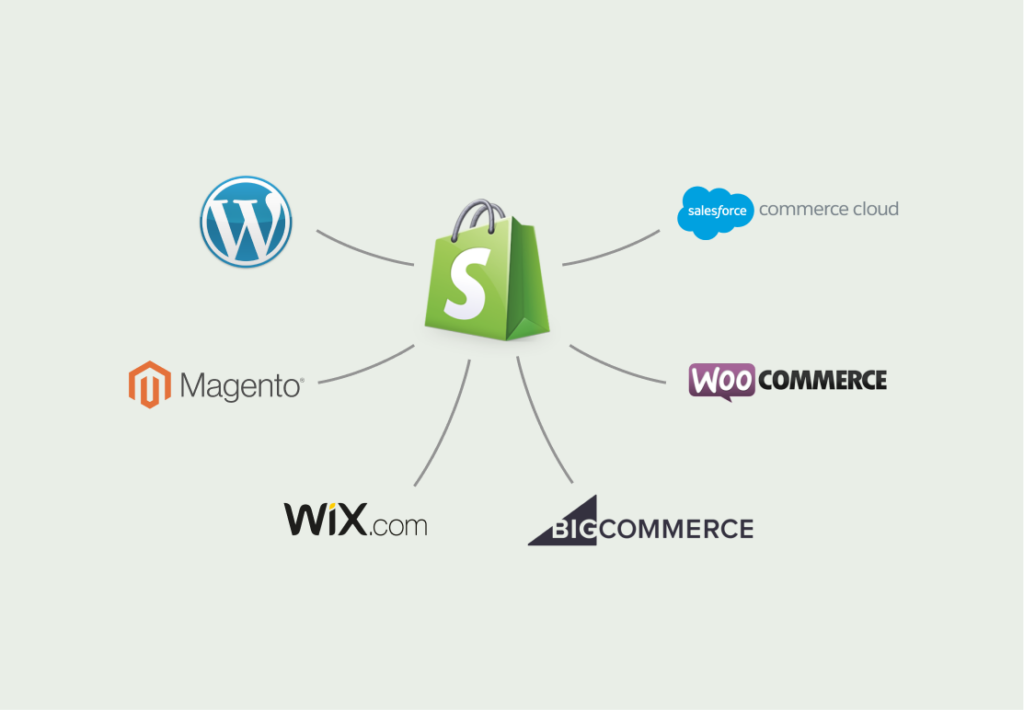
How does WooCommerce stack up against the other major platforms competing for Singapore eCommerce businesses in 2026? Here is an objective, feature-by-feature comparison.
| Feature | WooCommerce | Shopify | Magento | Wix eCommerce |
| Cost (Monthly) | Low (hosting + plugins) | $39–$399+ | High (hosting + dev) | $17–$59 |
| Customisation | ★★★★★ Full control | ★★★☆☆ Limited | ★★★★★ Full control | ★★☆☆☆ Drag-drop only |
| SEO Capabilities | ★★★★★ Best in class | ★★★★☆ Good | ★★★★☆ Good | ★★★☆☆ Basic |
| Singapore Payment Gateways | PayNow, eNETS, Stripe, Paynow, Braintree | Stripe, PayPal only | PayPal, Stripe | Stripe, PayPal |
| GST/Tax Configuration | Full flexibility | Basic | Full flexibility | Limited |
| Hosting Control | Full control | Hosted only | Full control | Hosted only |
| Scalability | ★★★★★ Unlimited | ★★★★☆ Good | ★★★★★ Enterprise | ★★☆☆☆ Limited |
| Developer Ecosystem | Massive (WordPress) | Large | Large | Small |
4.1 WooCommerce vs. Shopify Singapore
Shopify has aggressively expanded in Southeast Asia, and it is the most commonly cited alternative to WooCommerce. For Singapore businesses, the decision often comes down to control versus convenience. Shopify is faster to launch and requires less technical expertise, but it charges transaction fees on every sale (0.5%–2% depending on the plan) unless you use Shopify Payments — which is not yet officially available in Singapore. This means Singapore merchants often pay transaction fees that WooCommerce users do not.
Furthermore, Shopify’s SEO capabilities, while improving, still lag behind what is achievable with a properly optimised WooCommerce/WordPress site. For businesses that prioritise organic search traffic and long-term content marketing, WooCommerce is the stronger choice.
4.2 WooCommerce vs. Magento (Adobe Commerce)
Magento — now Adobe Commerce — is an enterprise-grade platform built for large-scale operations. It offers similar customisation depth to WooCommerce but at a significantly higher cost in development, maintenance, and licensing. For most Singapore SMEs and growing brands, the Magento investment is simply not justified when WooCommerce can scale effectively with the right technical team. Magento makes sense primarily for Singapore businesses with complex B2B commerce requirements, multi-store operations, or very high transaction volumes (typically SGD 5M+ annually).
4.3 WooCommerce vs. Wix eCommerce
Wix eCommerce and Squarespace Commerce offer ease-of-use but limited scalability and SEO depth. They are suitable for very small businesses or hobbyist sellers but are not recommended for businesses that expect significant growth or rely on organic search traffic. WooCommerce’s SEO capabilities, particularly through Yoast or Rank Math, are dramatically superior.
See More: Shopify vs. WooCommerce: Which Is Better for Your Business?
5. WooCommerce SEO Capabilities: A Key Differentiator in Singapore

One of the most powerful arguments for WooCommerce in Singapore is its unmatched SEO flexibility. Search engine optimisation remains the highest-ROI digital marketing channel for most eCommerce businesses, and WooCommerce — built on WordPress — gives you more SEO control than any other platform.
5.1 Technical SEO Control
- Full control over URL structures, canonical tags, meta robots, and hreflang
- Custom XML sitemaps with product-level granularity
- Schema markup for products, reviews, and breadcrumbs (rich results in Google)
- Core Web Vitals optimisation through caching plugins and image compression
- Server-side rendering and headless options for maximum performance
5.2 Content SEO and the Singapore Market
Singapore consumers research heavily before purchasing. Whether searching for ‘best ergonomic chairs Singapore’, ‘sustainable fashion Singapore’, or ‘corporate gifts Singapore’, informational and commercial content plays a huge role in the customer journey. WooCommerce, as part of the WordPress ecosystem, allows you to run a full-featured blog, resource centre, and buying guide alongside your product catalogue — all within a single, SEO-unified website. This is a capability that Shopify can approximate but never fully replicate.
5.3 Local SEO for Singapore
For brick-and-mortar businesses expanding online, local SEO is critical. WooCommerce allows seamless integration with Google Business Profile data, local schema markup, and location-specific landing pages — all helping businesses rank for high-intent searches like ‘florist near Orchard’, ‘electronics store Singapore’, or ‘bakery delivery Bukit Timah’.
See More: AI SEO: A Practical Guide to Ranking in Google AI Overviews, ChatGPT & Generative Search
6. Payment Gateways for WooCommerce Singapore
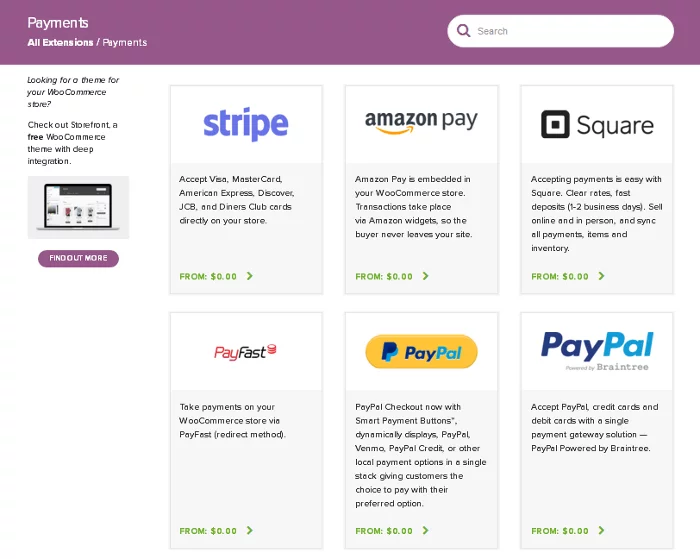
One area where WooCommerce truly shines for Singapore businesses is payment gateway integration. The platform supports virtually every payment method used by Singapore consumers and merchants.
Popular Singapore Payment Gateways for WooCommerce
- PayNow — Real-time QR-code based payments via Singapore’s national payment infrastructure
- eNETS — Singapore’s internet banking payment gateway
- GrabPay — Widely used e-wallet in Singapore and Southeast Asia
- Stripe — International card processing with strong Singapore merchant support
- PayPal — For international orders and B2B payments
- Braintree — Preferred by enterprise Singapore merchants for flexibility
- hoolah / Atome — Buy Now Pay Later (BNPL) options popular among Singapore millennials
- Paynow Corporate — For B2B invoice payments
Each of these integrates with WooCommerce through official or well-supported third-party plugins. This level of local payment coverage is unmatched by Shopify, which currently has no official Shopify Payments support in Singapore, leaving merchants reliant on third-party payment processors and potentially paying additional transaction fees.
7. Hosting WooCommerce in Singapore: Performance Matters
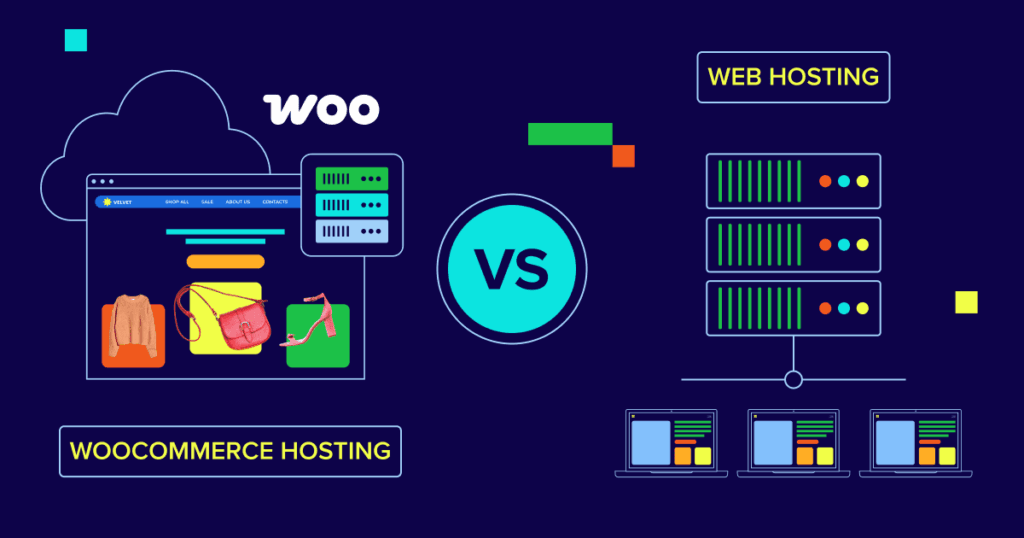
Page speed is a Google ranking factor and a direct driver of eCommerce conversion rates. Research consistently shows that a 1-second delay in page load time can reduce conversions by 7%. For Singapore-based stores, choosing the right hosting solution is essential.
Recommended Hosting Options for Singapore WooCommerce Stores
- Singapore-based VPS or Dedicated Servers — Host with providers like Exabytes Singapore, ServerFreak, or AWS ap-southeast-1 (Singapore region) for minimal latency
- Managed WordPress Hosting — Providers like WP Engine, Kinsta, or Cloudways offer managed WooCommerce hosting with Singapore server locations
- Content Delivery Network (CDN) — Use Cloudflare or AWS CloudFront to serve static assets from Singapore edge nodes
- LiteSpeed or Nginx Server Stacks — Significantly faster than default Apache configurations for WooCommerce
| ⚡ Performance Benchmark: Well-Optimised WooCommerce vs. Default Setup Default WordPress/WooCommerce (shared hosting): LCP ~4.2s | FID ~180ms | CLS ~0.18 Optimised WooCommerce (Singapore VPS + CDN + caching): LCP ~1.4s | FID ~28ms | CLS ~0.04 Shopify (hosted): LCP ~2.1s | FID ~45ms | CLS ~0.09 Conclusion: A well-optimised WooCommerce store can outperform Shopify on Core Web Vitals. Source: Internal benchmarks by iCreationsLAB Web Design Singapore, Q1 2026 |
See More: The Truth About Shared Hosting Services No One Tells You
8. WooCommerce Costs: What Singapore Businesses Actually Pay
WooCommerce’s open-source core is free — but running a professional eCommerce store is not. Here is a realistic breakdown of WooCommerce costs for a Singapore business in 2026.
Essential Monthly/Annual Cost Breakdown
- Domain Name: SGD 15–30 per year (e.g., .com.sg domain from registrars like GoDaddy or NameCheap)
- Web Hosting: SGD 30–150 per month depending on traffic volume and hosting tier
- Premium WooCommerce Theme: SGD 70–200 one-time (or SGD 0 with quality free themes)
- Essential Plugins (SEO, security, backup, performance): SGD 0–200 per year
- Payment Gateway Fees: Stripe charges 3.4% + SGD 0.50 per successful transaction in Singapore
- SSL Certificate: SGD 0 (free via Let’s Encrypt) to SGD 200 per year for EV certificates
- Professional Web Design & Development: SGD 2,000–10,000+ depending on complexity
- Ongoing Maintenance: SGD 100–500 per month for updates, security monitoring, backups
When comparing total cost of ownership, WooCommerce is often significantly more cost-effective than Shopify for Singapore businesses generating more than SGD 10,000 in monthly revenue — particularly once Shopify’s transaction fees are factored in. At SGD 100,000 monthly revenue, Shopify’s basic plan transaction fee alone costs SGD 2,000/month — more than a year of decent WooCommerce hosting.
9. Is WooCommerce Right for Your Singapore Business? A Decision Framework
WooCommerce is not the right choice for every Singapore business. Use this framework to guide your decision.
✅ Choose WooCommerce if you…
- Want full ownership and control over your store, data, and customer relationships
- Plan to invest in content marketing and SEO for long-term organic traffic growth
- Need complex or custom functionality (multi-vendor, B2B pricing, subscriptions, memberships)
- Are building a brand with a unique design vision that goes beyond standard templates
- Process significant monthly revenue and want to avoid transaction fees
- Need Singapore-specific payment gateways like PayNow or eNETS
- Have access to a professional WooCommerce developer or agency partner
⚠️ Consider Shopify or alternatives if you…
- Need to launch in days with minimal technical involvement
- Have a very small product catalogue (under 50 SKUs) and limited resources
- Prefer a fully managed, hands-off technical environment
- Do not plan to invest in content marketing or SEO
See More: UX Audit Singapore: How to Find and Fix What’s Killing Your Conversion Rate
10. The iCreationsLAB Approach: Building WooCommerce Stores That Rank and Convert
At iCreationsLAB, we have spent years working with Singapore businesses across industries — from boutique fashion brands in Tiong Bahru to F&B suppliers in Jurong Industrial Estate — to build WooCommerce stores that do not just look good but actually drive revenue.
Our web design Singapore methodology is built around three pillars: performance, SEO, and conversion optimisation. Every WooCommerce store we build is engineered from the ground up with these principles in mind.
Our WooCommerce Singapore Services Include
- Custom WooCommerce Design & Development tailored to your brand identity and audience
- Singapore Payment Gateway Integration (PayNow, eNETS, GrabPay, Stripe, and more)
- GST/Tax Configuration and compliance for Singapore merchants
- On-Page SEO Setup including Yoast configuration, schema markup, and keyword optimisation
- Performance Optimisation with Singapore-region hosting, caching, and CDN setup
- Product Import and Catalogue Setup for large SKU catalogues
- Mobile Optimisation ensuring a flawless experience on Singapore’s mobile-first shoppers
- Ongoing Maintenance Packages to keep your store secure, fast, and up to date
| Ready to Build Your WooCommerce Store in Singapore? Partner with iCreationsLAB — Singapore’s trusted web design agency for high-performance WooCommerce stores built to rank, convert, and scale. ✅ Custom WooCommerce Development ✅ Singapore GST & Payment Integration ✅ SEO-Optimised 🌐 www.icreationslab.com 📧 [email protected] 📞 Get a Free Consultation Today |
11. Common WooCommerce Mistakes Singapore Businesses Make (and How to Avoid Them)
Over the years, we have audited dozens of WooCommerce stores built by Singapore businesses and consistently see the same avoidable mistakes. Here is what to watch out for.
Mistake 1: Choosing the Wrong Hosting Provider
Many Singapore businesses opt for the cheapest shared hosting without considering the performance implications. A slow store directly impacts your Google rankings and conversion rate. Always invest in managed WooCommerce hosting or a Singapore-based VPS — the additional cost is easily justified by improved performance and uptime guarantees.
Mistake 2: Ignoring Core Web Vitals
Google’s Core Web Vitals — Largest Contentful Paint (LCP), Interaction to Next Paint (INP), and Cumulative Layout Shift (CLS) — are confirmed ranking factors. Many WooCommerce stores in Singapore fail LCP benchmarks due to unoptimised images and uncompressed JavaScript. Use tools like Google PageSpeed Insights and GTmetrix to monitor your scores regularly.
Mistake 3: Using Too Many Plugins
The WordPress plugin ecosystem is a double-edged sword. While plugins extend functionality enormously, overloading your store with 40+ active plugins is a common cause of slow performance, security vulnerabilities, and compatibility issues. A lean, well-chosen plugin stack — ideally curated by an experienced WooCommerce developer — is always preferable.
Mistake 4: Neglecting Mobile UX
With over 73% of Singapore shoppers buying on mobile, a desktop-first design approach is a significant commercial mistake. Every design decision — button size, checkout flow, image loading — must be evaluated through the lens of a mobile user on a 4G or 5G connection. WooCommerce supports mobile-first themes natively, but the implementation matters.
Mistake 5: Skipping Security Hardening
WooCommerce stores store customer data including addresses and payment history. Without proper security — SSL, two-factor authentication, a web application firewall, and regular malware scanning — Singapore businesses risk data breaches that can carry significant reputational and regulatory consequences under Singapore’s Personal Data Protection Act (PDPA).
See More: WordPress Security Singapore: 12 Steps to Protect Your Business Website
12. Future of WooCommerce in Singapore: What to Expect in 2026 and Beyond
WooCommerce is not standing still. The platform has been investing heavily in performance, headless commerce capabilities, and developer experience. Here are the key trends shaping WooCommerce’s future relevance for Singapore businesses.
12.1 High-Performance Blocks and Full Site Editing
WooCommerce has embraced WordPress’s Full Site Editing (FSE) paradigm, allowing merchants and designers to build highly customised store layouts using a visual block editor — without touching a single line of code. This dramatically reduces the barrier to entry for brand-new WooCommerce stores while preserving the technical flexibility that advanced users demand.
12.2 WooCommerce Headless Commerce
Singapore’s most technically advanced eCommerce businesses are increasingly exploring headless WooCommerce architectures — where the WooCommerce backend acts as a commerce API served to a custom Next.js or Nuxt.js frontend. This unlocks near-instant page loads and highly interactive shopping experiences, giving brands a competitive edge in both SEO performance and user experience.
12.3 AI-Powered Product Recommendations and Personalisation
AI integration in WooCommerce is accelerating. Plugins like AutomateWoo and WooCommerce Analytics now incorporate machine learning-driven product recommendations, dynamic pricing, and customer lifetime value modelling — capabilities that were previously available only to enterprise retailers. Singapore SMEs adopting these tools early are seeing measurable improvements in average order value and repeat purchase rates.
12.4 Social Commerce Integration
WooCommerce’s integrations with TikTok Shop, Instagram Shopping, and Facebook Shops have matured significantly. For Singapore brands targeting younger demographics — particularly Gen Z consumers who discover products on TikTok — these integrations allow seamless catalogue sync and checkout without leaving the social platform, while keeping WooCommerce as the authoritative product and inventory source.
See More: Next.js vs WordPress for Businesses: Which Is Faster & More SEO-Friendly?
13. Frequently Asked Questions: WooCommerce Singapore
Is WooCommerce free?
The core WooCommerce plugin is free and open-source. However, running a professional WooCommerce store involves costs for hosting, a domain name, premium themes, and certain extension plugins. Budget SGD 2,000–10,000+ for initial development and SGD 200–700 per month for ongoing hosting and maintenance, depending on your store’s complexity.
Does WooCommerce support PayNow in Singapore?
Yes. There are several PayNow gateway integrations available for WooCommerce, enabling Singapore merchants to accept real-time PayNow QR payments directly from their WooCommerce checkout. iCreationsLAB has implemented PayNow integrations for numerous Singapore merchants as part of our web design Singapore service packages.
Is WooCommerce better than Shopify for SEO in Singapore?
For businesses that prioritise SEO and content marketing, WooCommerce on WordPress is generally considered superior to Shopify. The combination of full URL control, advanced plugins like Yoast SEO or Rank Math, native blogging capabilities, and the ability to implement any schema markup gives WooCommerce merchants a meaningful SEO advantage — particularly important in Singapore’s competitive organic search landscape.
How long does it take to build a WooCommerce store in Singapore?
A professionally designed WooCommerce store typically takes 4–12 weeks from brief to launch, depending on the number of products, custom functionality required, and design complexity. At iCreationsLAB, our standard web design Singapore projects for WooCommerce stores are typically delivered in 6–8 weeks, including QA testing and SEO setup.
Do I need a developer to manage my WooCommerce store?
You do not need a developer for day-to-day tasks like adding products, processing orders, or updating content. However, for plugin updates, performance optimisation, security hardening, and technical troubleshooting, having access to a developer — either in-house or through a web design agency Singapore retainer — is strongly recommended to avoid costly downtime or security incidents.
See More: Dark Mode Web Design: A Complete 2026 Guide
Conclusion: WooCommerce Singapore in 2026 — Still the Best Choice?
The short answer: yes — for most Singapore businesses with the right setup and support, WooCommerce remains the best eCommerce platform in 2026.
Its unmatched SEO capabilities, full data ownership, extensive Singapore payment gateway support, flexible GST configuration, and ability to scale from a small boutique to a high-volume enterprise make it the most versatile and commercially effective eCommerce solution available to Singapore merchants today.
The caveat is that WooCommerce is not a hands-off solution. It rewards businesses that invest in proper technical implementation — the right hosting, a lean plugin stack, performance optimisation, and security hardening. Businesses that approach WooCommerce with a set-and-forget mentality often find themselves with a slow, insecure, or poorly converting store that reflects badly on the platform rather than the implementation.
This is precisely why partnering with an experienced web design agency in Singapore — one that understands both the technical depth of WooCommerce and the specific requirements of the Singapore market — is the smartest investment you can make for your eCommerce journey.
| Ready to Build Your WooCommerce Store in Singapore? Partner with iCreationsLAB — Singapore’s trusted web design agency for high-performance WooCommerce stores built to rank, convert, and scale. ✅ Custom WooCommerce Development ✅ Singapore GST & Payment Integration ✅ SEO-Optimised 🌐 www.icreationslab.com 📧 [email protected] 📞 Get a Free Consultation Today |